


Subtotal $0.00
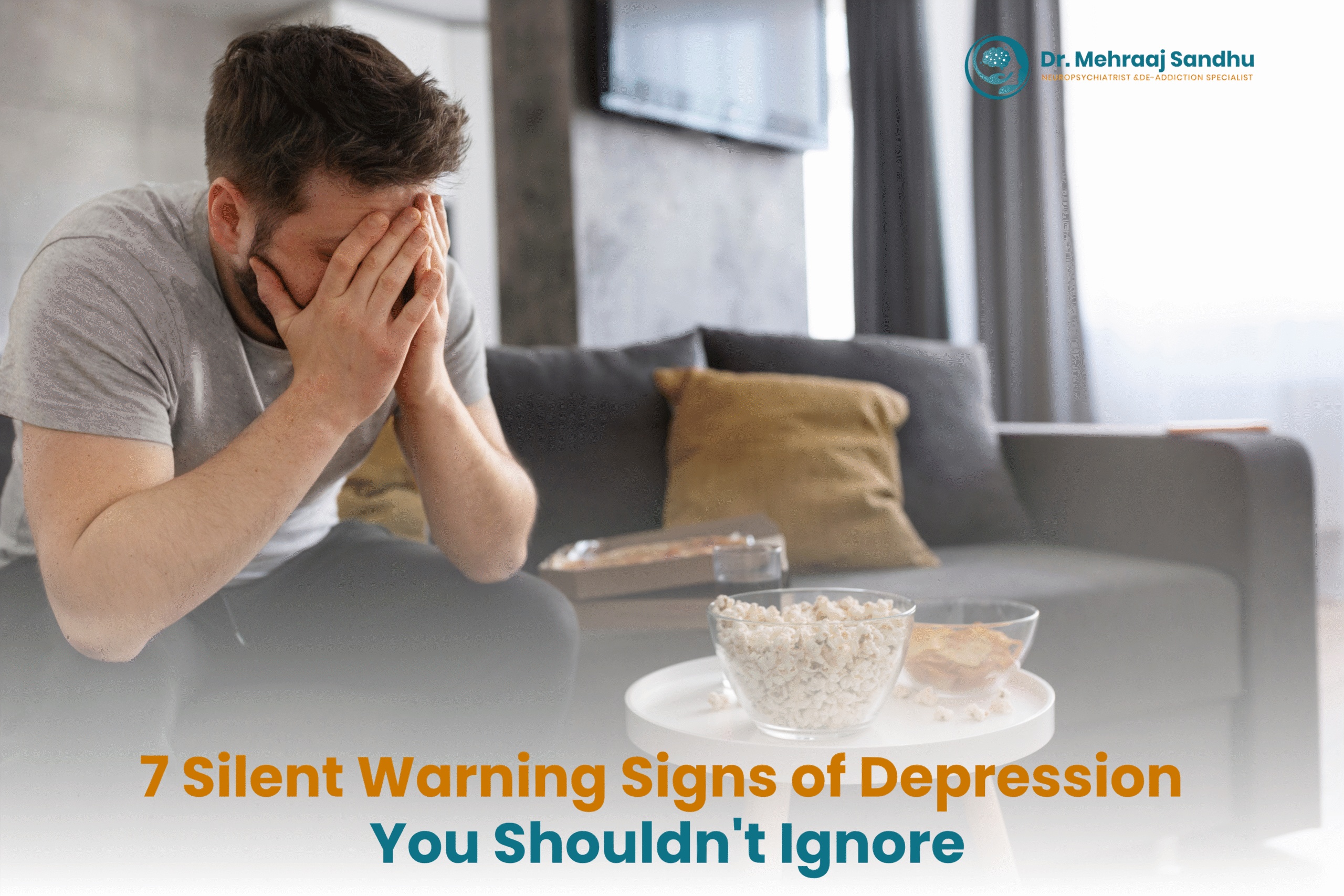
Depression is a very common mental health problem, but many people don’t notice it because its signs can be small and easy to miss. A lot of people think of depression as being sad all the time, but it can also show up in quiet, hidden ways. Recognizing the silent signs of depression early can help keep the condition from getting worse and make it possible to get help right away.
In today’s fast-paced world, emotional struggles are often overlooked or dismissed as temporary stress. However, untreated depression can affect relationships, work performance and overall quality of life. Identifying hidden symptoms of depression is crucial for both individuals and their loved ones.
Dr. Mehraaj Sandhu, a psychiatrist, says that recognizing depression early and getting professional help are very important for managing it well. This article talks about the small warning signs that should never be ignored and when you should ask for help.
Understanding Depression and Its Hidden Nature
Depression does not always present itself in obvious ways. Many individuals continue their daily routines while silently struggling with emotional distress.
What Are Silent Signs of Depression
The term silent signs of depression refers to subtle emotional and behavioral changes that may not be immediately noticeable.
These signs often develop gradually and may include:
- Persistent low mood
- Loss of interest in activities
- Difficulty concentrating
Understanding these signs helps in identifying the condition early.
Why Depression Often Goes Unnoticed
Many people ignore early warning signs people ignore because they believe these feelings are temporary or not serious enough to seek help.
Social stigma and lack of awareness also contribute to delayed diagnosis.
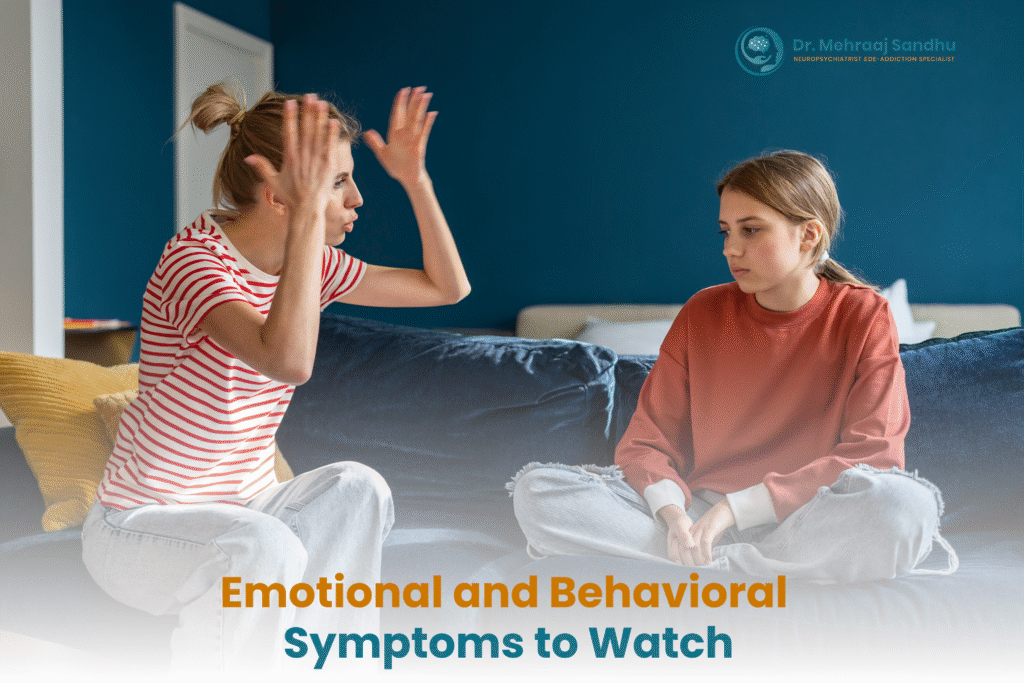
Emotional and Behavioral Symptoms to Watch
Recognizing emotional and behavioral symptoms is essential for early detection.
Emotional Changes
Common emotional symptoms include:
• Constant sadness or feeling empty
• Being irritable or frustrated
• Feeling like there is no way out
Other people may not always be able to see these feelings.
Behavioral Changes
Behavioral changes are often overlooked but can be strong indicators.
Examples include:
- Avoiding social interactions
- Reduced productivity
- Changes in daily routines
These changes may indicate deeper emotional struggles.
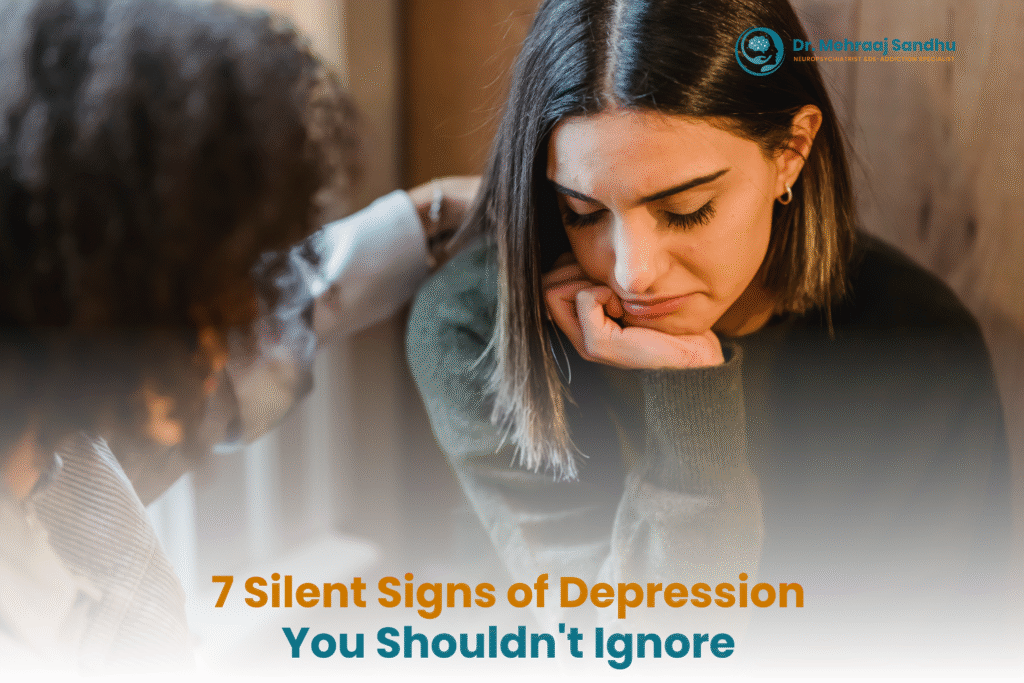
7 Silent Signs of Depression You Shouldn’t Ignore
1. Loss of Interest in Activities
People may lose interest in hobbies or activities they once enjoyed.
2. Constant Fatigue
Feeling tired even after getting enough sleep could be a sign of depression.
3. Difficulty Concentrating
Trouble focusing on tasks is a common symptom.
4. Changes in Sleep Patterns
Insomnia or excessive sleeping can indicate emotional imbalance.
5. Appetite Changes
Sudden weight loss or gain may be linked to depression.
6. Withdrawal from Social Life
Avoiding friends and family is a significant warning sign.
7. Negative Thought Patterns
Persistent negative thinking can affect mental well-being.
These are symptoms of depression you shouldn’t ignore, as they may worsen over time if untreated.
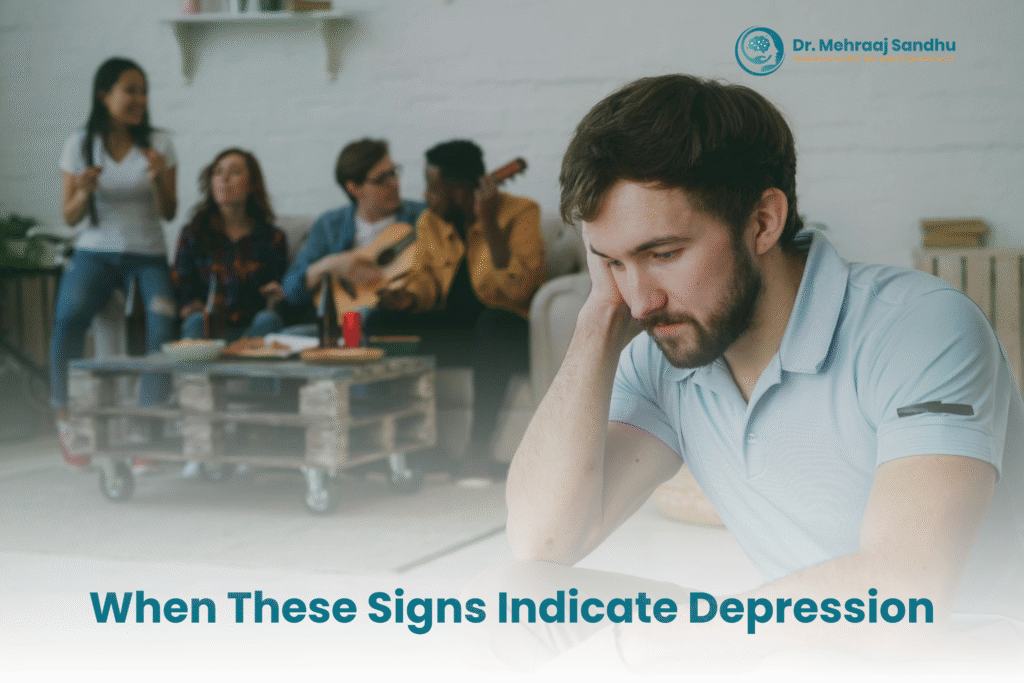
When These Indicate Signs of Depression
When Symptoms Become Serious
Understanding when these signs indicate depression is important.
If symptoms persist for more than two weeks and interfere with daily life, it may indicate clinical depression.
Warning Signs of Depression in Adults
Some warning signs of depression in adults include:
- Loss of motivation
- Difficulty maintaining relationships
- Decline in work performance
These signs should not be ignored.
How to Know If You Are Depressed
Self-Assessment and Awareness
Understanding how to know if you are depressed involves observing emotional and behavioral changes over time.
Keeping track of mood patterns can help identify symptoms.
Importance of Professional Diagnosis
Self-assessment is helpful, but professional evaluation is essential for accurate diagnosis.
When to Seek Professional Help
When to Seek Help for Depression
Knowing when to seek help for depression is crucial.
You should consult a professional if:
- Symptoms persist for weeks
- Daily activities are affected
- Emotional distress becomes overwhelming
Role of Mental Health Professionals
Seeking guidance from experts like Dr Mehraaj Sandhu psychiatrist ensures proper diagnosis and treatment.
Treatment and Support Options
Therapy and Counseling
Psychotherapy helps individuals understand and manage their emotions.
Lifestyle Changes
Healthy habits such as exercise, balanced diet, and sleep improve mental health.
Medication (If Needed)
In some cases, medication may be prescribed under professional supervision.
Importance of Early Intervention
Preventing Condition Worsening
Early treatment can prevent depression from becoming severe.
Improving Quality of Life
Timely intervention helps individuals regain control over their lives.
Frequently Asked Questions
1. What are silent signs of depression?
They are subtle emotional and behavioral changes that may indicate depression.
2. How can I identify hidden signs of depression?
Look for changes in mood, behavior and daily routines over time.
3. When should I seek help for depression?
If symptoms last more than two weeks and affect daily life.
4. Can depression go away on its own?
In some cases, but professional support is often needed.
5. What treatments are available for depression?
Therapy, lifestyle changes and medication if necessary.
6. Is it normal to feel depressed occasionally?
Temporary sadness is normal, but persistent symptoms require attention.
Conclusion
Depression is a serious condition that often goes unnoticed due to its subtle symptoms. Recognizing the silent signs of depression can help individuals seek timely support and prevent the condition from worsening.
To improve your mental health, you need to understand changes in your emotions and behavior, know when to look for help, and know what warning signs to look for. Getting help from experienced professionals like psychiatrist Dr. Mehraaj Sandhu makes sure you get the right care and advice.
By addressing depression early, individuals can improve their well-being and lead healthier, more fulfilling lives.
