


Subtotal $0.00
Understanding Depression vs Sadness in Everyday Life
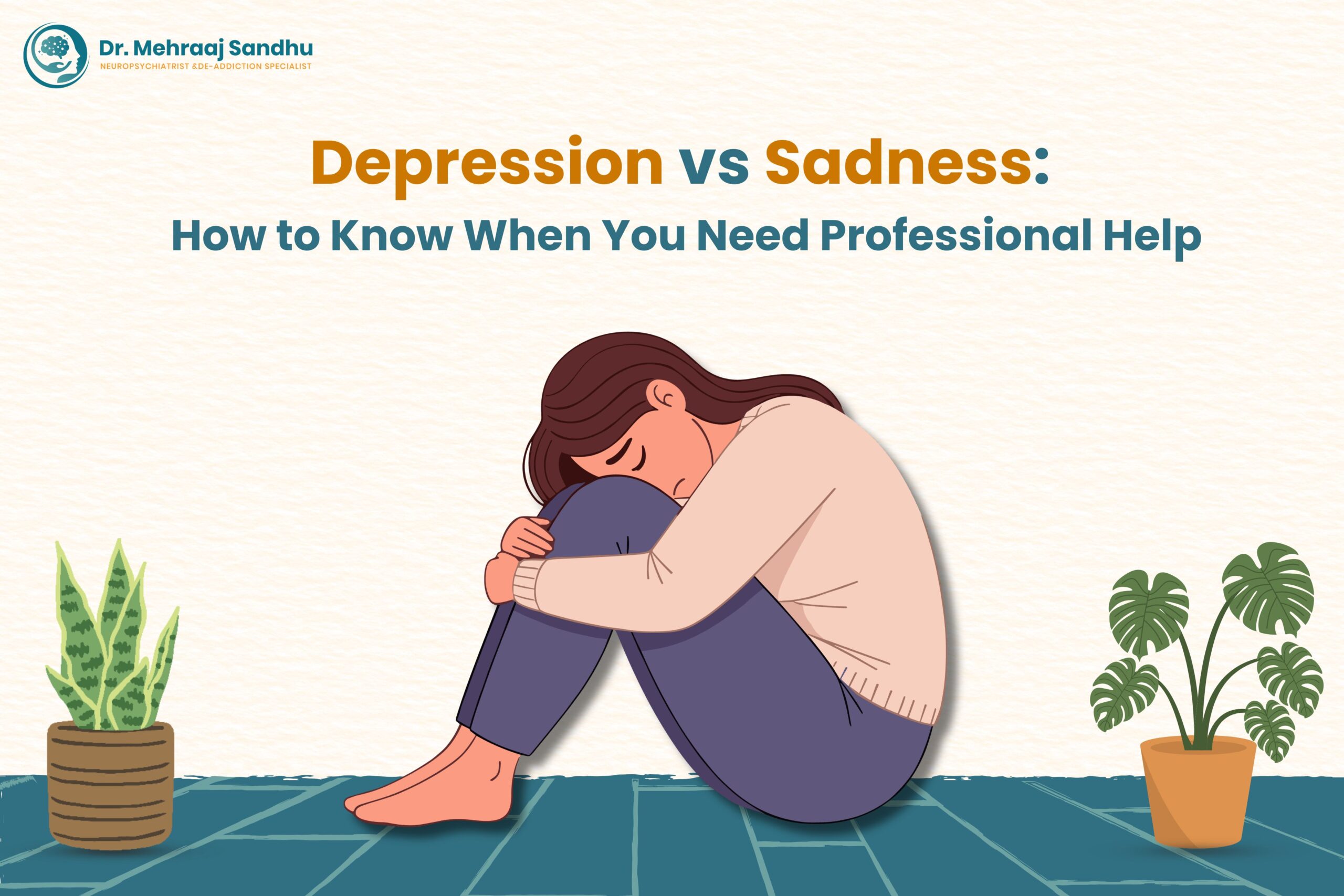
Many people struggle to understand depression vs sadness because both involve feeling low, unmotivated or emotionally drained. However, they are not the same condition. Sadness is a natural emotional response to difficult life situations such as losing a job, ending a relationship or experiencing disappointment. It is temporary and usually improves with time, support and coping. Depression, however, is a medical condition that affects thoughts, emotions, behavior and even physical health. It may appear with or without a clear trigger. The feelings are more intense, persistent and overwhelming. For example, imagine someone who fails an important exam. Feeling upset and withdrawn for a few days is normal sadness. But if weeks pass and the person still feels hopeless, avoids friends, cannot focus and struggles to get out of bed, this may signal something more serious. Recognizing depression vs sadness early helps prevent long-term emotional distress.
The Key Difference Between Depression and Sadness
Emotional Response vs Clinical Condition
The difference between depression vs sadness lies mainly in duration and impact. Sadness usually fades gradually. Depression lingers and disrupts daily functioning.
Sadness allows moments of happiness even during tough times. Depression often removesthe ability to feel pleasure entirely.
For instance, if someone loses a loved one, sadness is expected. They may grieve but still find comfort in family support. In depression, the person may feel emotionally numb, disconnected and unable to experience relief.
How Depression vs Sadness Affects Daily Functioning
Sadness rarely prevents a person from going to work or managing responsibilities. Depression can interfere significantly with productivity, relationships and self-care.
Dr. Mehraaj Sandhu explains that when emotional distress begins affecting sleep, appetite and concentration consistently, it is time to evaluate the situation professionally.
When Sadness Becomes Depression
Warning Signs That Should Not Be Ignored
When sadness becomes depression, symptoms intensify and persist beyond two weeks. Warning signs include:
- Persistent low mood
- Loss of interest in hobbies
- Fatigue without reason
- Feelings of worthlessness
- Difficulty concentrating
For example, someone who once enjoyed playing sports may suddenly stop participating and feel indifferent about it. If this change continues without improvement, it may signal depression.
Emotional vs Medical Diagnosis
Sadness is an emotional reaction. Depression is diagnosed based on specific criteria, including severity and duration of symptoms. Understanding depression vs sadness helps individuals know when emotions cross into a medical condition requiring professional care.
Recognizing Symptoms of Depression
Emotional and Cognitive Symptoms
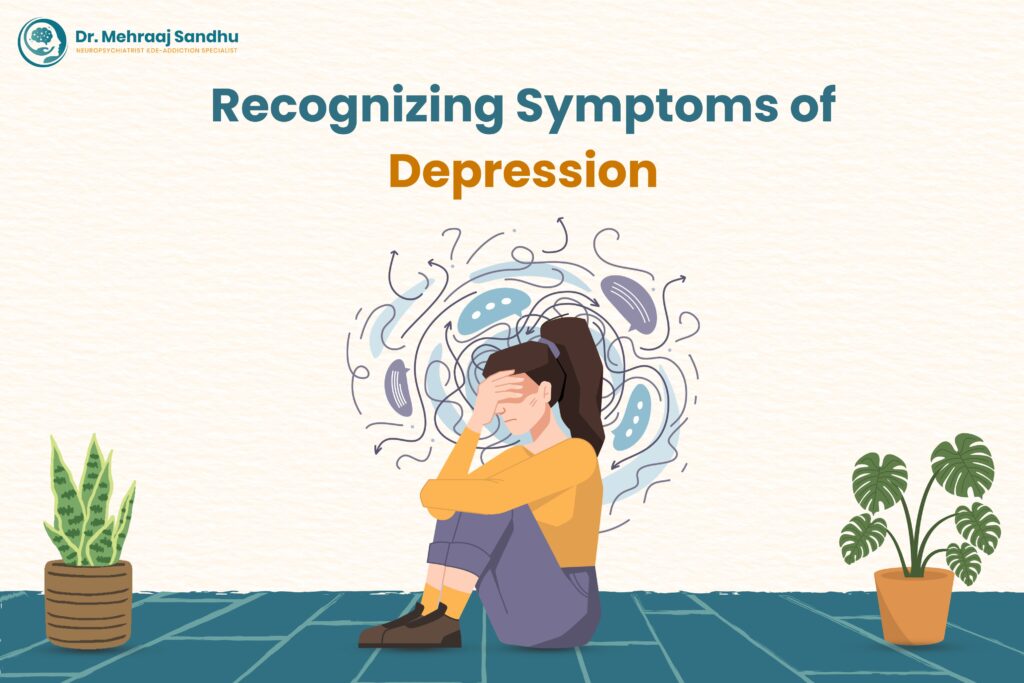
Common symptoms of depression include:
- Persistent sadness
- Hopelessness
- Irritability
- Negative thinking
- Reduced self-esteem
For example, a person might constantly think, “I am not good enough,” even without evidence supporting that belief.
Physical Symptoms That Often Go Unnoticed
Depression also affects the body:
- Changes in sleep (insomnia or oversleeping)
- Changes in appetite
- Low energy
- Frequent headaches or body aches
These symptoms of depression may appear gradually, making them harder to detect.
Signs of Clinical Depression That Require Attention
Persistent Patterns Beyond Temporary Mood
Signs of clinical depression involve ongoing negative thoughts and inability to feel joy. A person may isolate themselves and avoid communication. For example, someone may stop answering calls or attending social gatherings because they feel emotionally exhausted.
Severe Symptoms and Risk Factors
In serious cases, individuals may experience thoughts of self-harm. These are urgent warning signs that require immediate professional intervention.
Dr. Mehraaj Sandhu emphasizes that early treatment significantly improves recovery outcomes.
When to Seek Help for Depression
Duration and Impact as Key Indicators
Knowing when to seek help for depression is crucial. If symptoms last more than two weeks and interfere with daily life, professional evaluation is recommended.
For example, if someone struggles to concentrate at work for weeks and experiences ongoing fatigue, it is important not to ignore these signs.
Signs You Need Professional Mental Health Help
Signs you need professional mental health help include:
- Persistent hopelessness
- Social withdrawal
- Loss of motivation
- Sleep disturbances
- Suicidal thoughts
Seeking help is not a sign of weakness—it is a step toward recovery.
How Professional Treatment Can Help
Therapy and Counseling Approaches
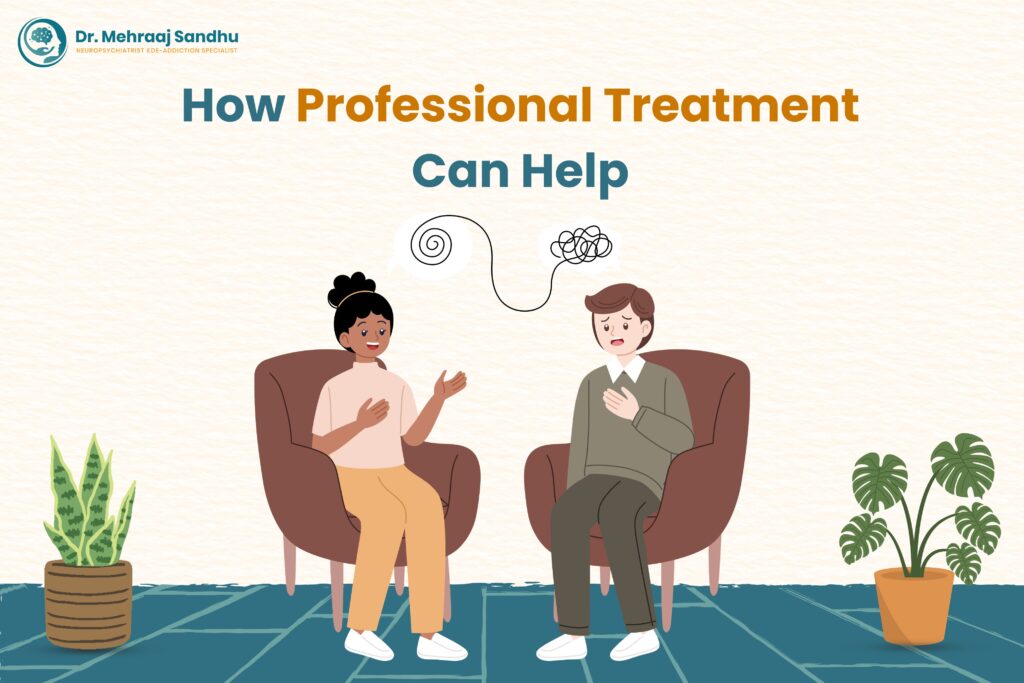
Psychotherapy helps individuals understand thought patterns and develop coping skills. Cognitive behavioral therapy is commonly used.
For example, therapy may help a person challenge negative beliefs such as “I always fail” and replace them with realistic perspectives.
Medication and Holistic Care
In moderate to severe cases, medication may help restore chemical balance in the brain.Treatment plans are tailored to each individual.
Dr. Mehraaj Sandhu provides personalized care focusing on emotional, psychological and biological factors.
Real-Life Examples of Depression vs Sadness
Example of Temporary Sadness
A young professional misses a promotion. They feel disappointed and discouraged for a few days but gradually regain motivation and continue working toward future goals.
Example of Clinical Depression
Another individual experiences similar disappointment but feels persistent hopelessness for months, avoids colleagues, struggles with sleep and questions their self-worth. This pattern reflects depression rather than normal sadness.
Understanding these examples clarifies depression vs sadness in practical terms.
Frequently Asked Questions About Depression vs Sadness
Q1. Is depression vs sadness the same condition?
No. Sadness is temporary, while depression is a medical condition affecting multiple aspects of life.
Q2. What is the difference between depression and sadness?
The difference between depression and sadness lies in duration, intensity and impact on daily functioning.
Q3. How do I know when sadness becomes depression?
If low mood persists beyond two weeks and disrupts daily activities, professional evaluation is recommended.
Q4. What are common symptoms of depression?
Persistent low mood, fatigue, sleep changes and loss of interest are common indicators.
Q5. When should I seek professional help?
If symptoms interfere with work, relationships or personal well-being, consult a mental health specialist.
Q6. Can depression be treated successfully?
Yes. With proper therapy and medical guidance, most individuals recover and regain stability.
Conclusion—Taking the First Step Toward Healing
Understanding depression vs sadness is essential for emotional well-being. Sadness is part of life and usually temporary. Depression is a serious condition that requires professional care. Recognizing warning signs, understanding when to seek help for depression and identifying signs you need professional mental health help can prevent long-term complications. With compassionate support from experts like Dr. Mehraaj Sandhu, individuals can regain emotional balance and improve their quality of life.
