



Subscribe to out newsletter today to receive latest news administrate cost effective for tactical data.

Let’s Stay In Touch

Shopping cart

Subtotal $0.00

View cartCheckout

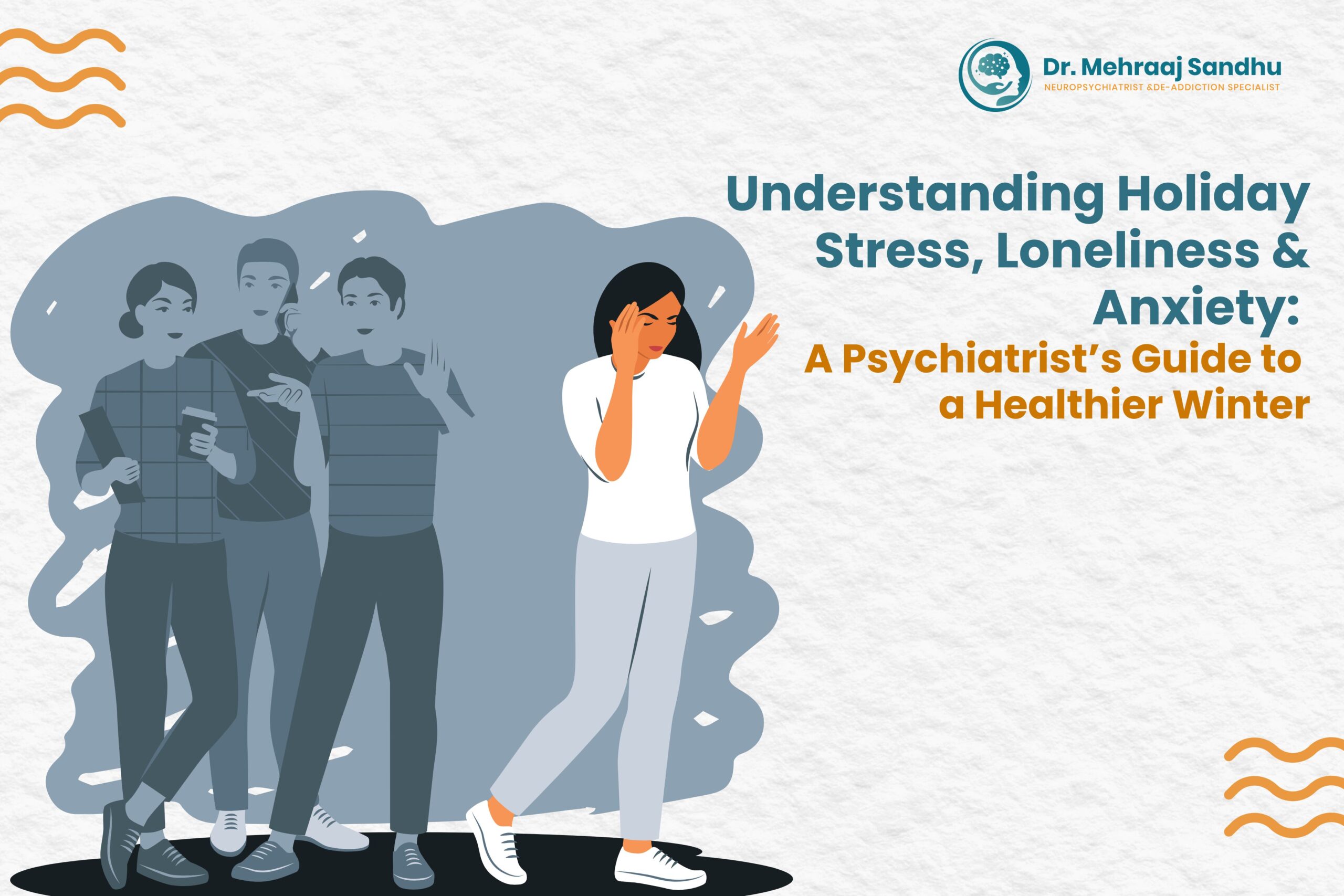
Understanding Holiday Stress, Loneliness & Anxiety:A Psychiatrist’s Guide to a Healthier Winter

  • Home
  • Mental Health
  • Understanding Holiday Stress, Loneliness & Anxiety:A Psychiatrist’s Guide to a Healthier Winter
Stress

The winter season and holidays are often portrayed as a time of joy, celebration and connection. However, for many individuals, this period brings emotional strain rather than comfort. Social expectations, family responsibilities, financial pressure and reduced daylight can quietly intensify stress and anxiety. Instead of feeling rested or fulfilled, people may feel overwhelmed, lonely, or emotionally exhausted.

Effective holiday stress and anxiety management begins with recognizing that these emotional responses are common and understandable. From a psychiatric perspective, winter-related emotional challenges are not signs of weakness but normal reactions to real-life stressors. With the right understanding and structured support, it is possible to navigate this season with better emotional balance and mental resilience.

Why the Winter and Holiday Season Can Be Emotionally DifficultWinter introduces multiple environmental and psychologicalchanges that affect mental health.

The Pressure to Feel Happy and Connected

The holiday season often comes with an unspoken expectation to feel joyful, grateful and socially fulfilled. When personal experiences do not match these expectations, emotional discomfort can increase. Many people experience holiday pressures and emotional overwhelm as they try to meet social, family and cultural standards while managing their own internal struggles.

This pressure to appear happy can discourage individuals from acknowledging their true emotions, leading to suppressed stress and anxiety.

Understanding Anxiety During Festive Seasons

Anxiety during festive seasons can develop even in individuals with no prior mental health concerns.
Stress

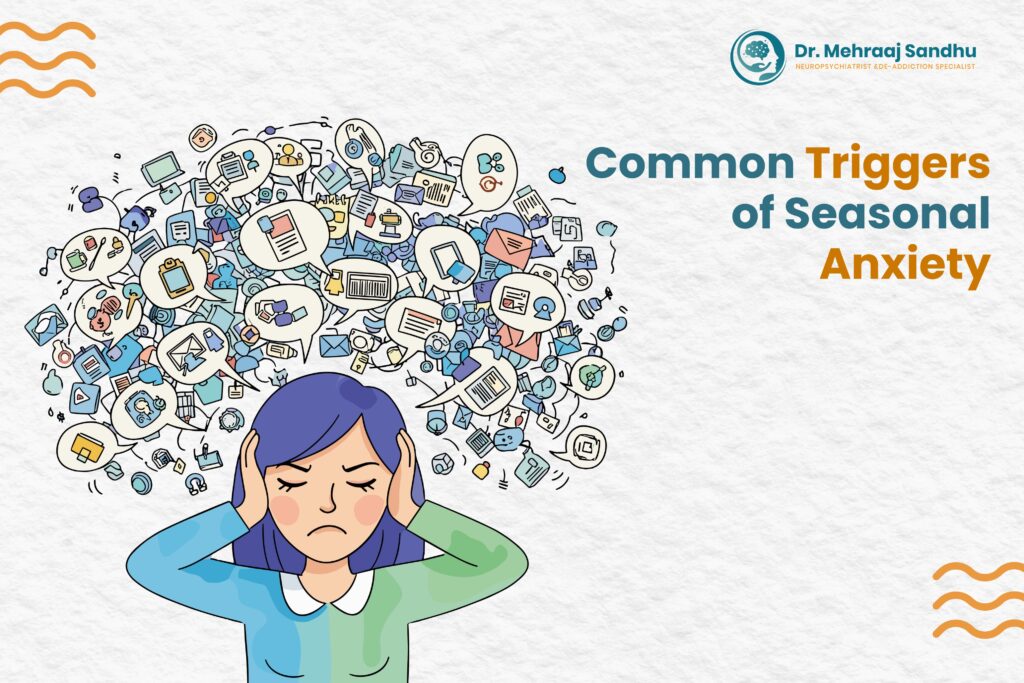
Common Triggers of Seasonal Anxiety

Changes in routine, increased social interactions, financial commitments, and family obligations can all contribute to heightened anxiety. For some, social gatherings trigger fear of judgment or comparison. For others, unresolved family dynamics or financial strain create ongoing worry.

Shorter daylight hours and reduced outdoor activity may further disrupt sleep and mood regulation, intensifying anxious thoughts during winter.

Winter Loneliness and Isolation: A Growing Concern

Despite the emphasis on togetherness, winter can deepenfeelings of loneliness.

Why Loneliness Feels Stronger in Winter

Winter loneliness and isolation often affect individuals who live alone, have lost loved ones, or feel emotionally disconnected even when surrounded by others. The contrast between personal experiences and idealized images of celebration can amplify feelings of exclusion and sadness.

Psychiatric research shows that prolonged loneliness can significantly impact emotional regulation, sleep quality, and overall mental health if left unaddressed.

The Role of Financial and Family Stress in Winter Mental Health

Beyond social pressures, practical concerns often weigh heavily during winter.

Financial and Family-Related Stressors

End-of-year expenses, gift-giving expectations, and household responsibilities can create financial anxiety. Family gatherings may reopen unresolved conflicts or bring emotional tension to the surface. These stressors, when combined, can overwhelm an individual’s coping capacity and increase vulnerability to anxiety or depressive symptoms.

Holiday Stress and Anxiety Management From a Psychiatric Perspective

Managing seasonal stress requires more than temporary distractions or forced positivity.

Why Awareness Is the First Step

Psychiatric care emphasizes understanding emotional responses rather than suppressing them. Recognizing stress and anxiety as signals—not failures—allows individuals to respond with healthier coping strategies.Awareness creates space for intentional action rather than emotional avoidance.
Stress

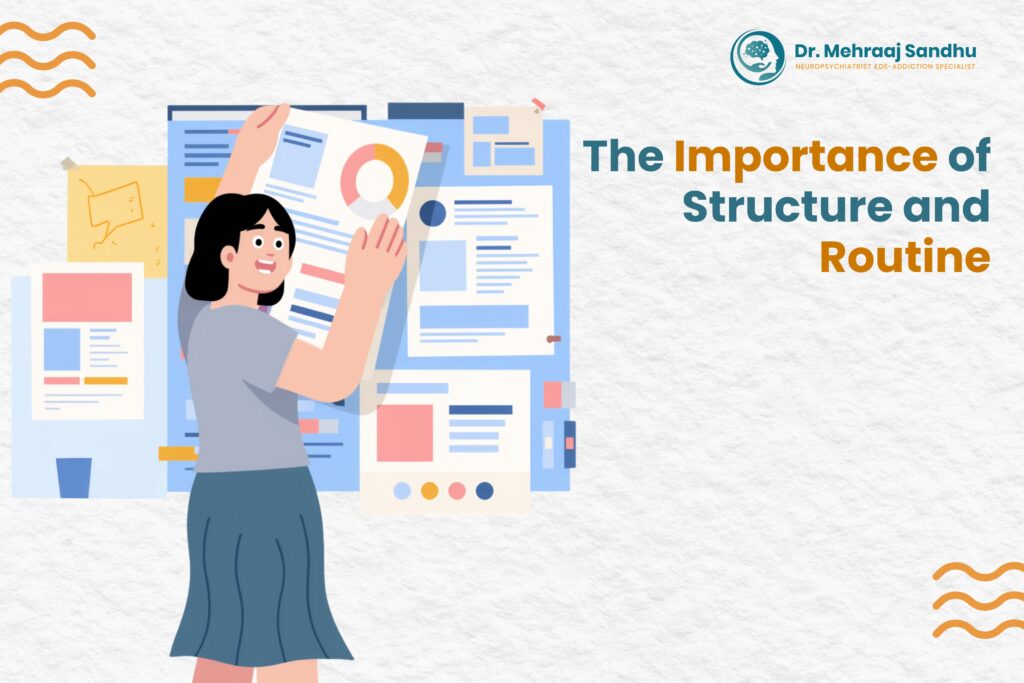
The Importance of Structure and Routine

Maintaining daily structure during winter helps regulate mood and reduces emotional unpredictability. Regular sleep patterns, balanced meals, and consistent activity levels provide psychological stability during a season marked by disruption.

Healthy Coping Strategies for Winter Emotional Stress

While professional care is sometimes necessary, daily habits play a vital role in emotional well-being.

Building Emotional Resilience

Setting realistic expectations, learning to say no and allowing time for rest reduce mental overload. Mindfulness practices, journaling, and breathing techniques help calm the nervous system and improve emotional awareness.

Meaningful social connections—even brief or low-pressure interactions—can counter feelings of isolation without creating additional stress.

When and How Psychiatric Care Helps During Winter

Some emotional challenges require professional support.

Recognizing When Help Is Needed

Understanding when and how psychiatric care helps is essential.Persistent anxiety, prolonged sadness, sleep disturbances, emotional numbnes or difficulty functioning in daily life are indicators that professional evaluation may be beneficial.

Ignoring these signs can allow symptoms to intensify over time.

The Value of Structured Psychiatric Treatment

Psychiatric care offers a safe, confidential environment to address emotional challenges.
Stress

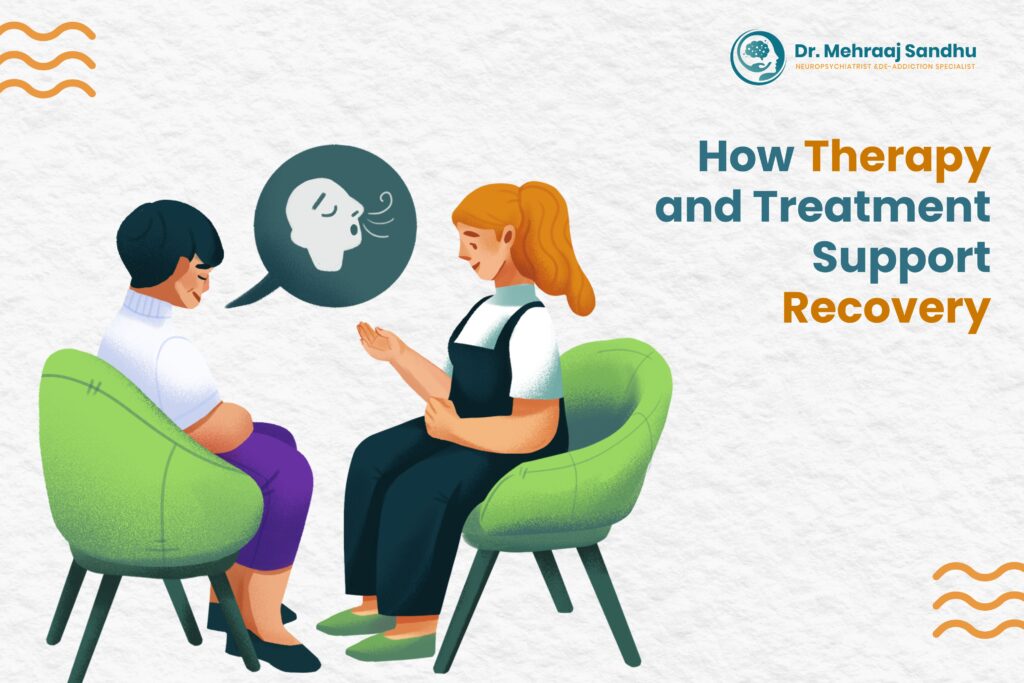
How Therapy and Treatment Support Recovery

Through structured therapy, individuals learn to identify unhelpful thought patterns, regulate emotions, and develop coping strategies tailored to their needs. In some cases, medication may be recommended to stabilize mood or anxiety, always with careful monitoring and personalization.

Care provided by an experienced psychiatrist such as Dr. Mehraaj Sandhu focuses on treating the whole person—addressing both psychological and biological factors influencing mental health.

Breaking the Stigma Around Mental Health Care During Holidays

Many people delay seeking help during winter, believing they should manage on their own.

Why Seeking Support Is a Strength

Mental health care is not a last resort. Early intervention often leads to faster improvement and prevents long-term emotional difficulties. Seeking help reflects self-awareness and commitment to well-being, not failure.

Redefining the Holiday Experience for Better Mental Health

The goal is not to eliminate all stress but to relate to it differently.

Creating Personal Meaning and Balance

Letting go of unrealistic expectations allows individuals to define what the holidays mean for them personally. Prioritizing emotional health over perfection leads to a more manageable and authentic winter experience.

Frequently Asked Questions (FAQs)

Q1. What is holiday stress and anxiety management?

It refers to recognizing and managing emotional distress related to holiday pressures, social expectations and seasonal changes through healthy coping strategies and professional care when needed.

Q2. Why do people experience anxiety during festive seasons?

Disrupted routines, financial responsibilities, social pressure and reduced daylight can all increase anxiety during winter.

Q3. Is winter loneliness a mental health condition?

Loneliness itself is not a disorder, but prolonged isolation can negatively impact mental health and may require support.

Q4. When should someone consult a psychiatrist in winter?

If emotional distress persists, worsens or interferes with daily functioning, professional psychiatric care is recommended.

Q5. Can therapy help with holiday-related emotional stress?

Yes, therapy provides tools to manage stress, regulate emotions, and develop healthier coping patterns.

Q6. Is it normal to feel overwhelmed during the holidays?

Yes, many individuals experience emotional overwhelm during winter and seeking support can be very helpful.

Conclusion

The holiday season can magnify emotional challenges such as stress, anxiety and loneliness, even as it promises joy and connection. Recognizing these experiences as valid and common is the first step toward healing. With healthy coping strategies, realistic expectations and professional support when needed, it is possible to navigate winter with greater emotional balance.

Effective holiday stress and anxiety management is not about ignoring difficult emotions but addressing them with care and compassion. Guidance from an experienced psychiatrist like Dr. Mehraaj Sandhu can help individuals developpersonalized strategies that support mental well-being not only during the holiday season but throughout the year.

Leave a Comment

Your email address will not be published. Required fields are marked *

Psychotherapies & Emotional Wellness

Our therapy programs are designed to support mental well-being across various life situations.

Integrated CBT + Clinical Consultations: Combining therapy with medical guidance for the best outcomes.

Couples Therapy: Helping partners navigate conflict, improve communication, and strengthen relationships.

Interpersonal Therapy (IPT): Effective for depression, grief, and relationship difficulties.

Anger Management Sessions: Non-pharmacological methods for emotional regulation and self-control.

Stress Management Protocols: Structured sessions teaching relaxation, coping techniques, and resilience-building practices.

IPD Services – Detoxification & Rehabilitation

We provide medically supervised detox and long-term rehabilitation for various substance dependencies:

Alcohol Dependence

Opioid Addiction – including brown sugar, afim, chitta

Cocaine

Crystal Meth (Methamphetamine)

Tobacco Dependence

Cannabis/THC Addiction

Treatment Approach

Psychoeducation: Helping patients and families understand addiction as a medical condition.

Motivational Enhancement Therapy (MET): Encouraging readiness and motivation to change.

Cognitive Behavioral Therapy (CBT): Equipping patients with strategies to avoid relapse and rebuild their lives.

De-Addiction, Detox & Rehabilitation

We run specialized addiction recovery programs through OPD (Outpatient) and IPD (Inpatient) facilities.

OPD Services

Standard & Detailed Neuropsychiatric Workups

Personalized Treatment Protocols tailored to each patient.

Psychogenic Irritable Bowel Syndrome (IBS)

IBS is often linked to stress and psychological factors. We address this through a holistic mind-body approach:

Stress management therapy.

Lifestyle modifications.

Psychotherapy to identify and manage emotional triggers of gastrointestinal distress.

Psychogenic Non-Epileptic Seizures (PNES / Pseudo-Seizures)

PNES are seizure-like episodes that have psychological, not neurological, causes. We provide:

Accurate Diagnosis: Differentiating PNES from epileptic seizures using clinical evaluation and investigations.

Therapeutic Approach: Counseling, psychotherapy, and behavioral therapy.

Pharmacological & Non-Pharmacological Care: Medication when required, alongside psychological interventions.

Dementia & Cognitive Disorders

Cognitive decline can be overwhelming for patients and families. Our services aim at both early intervention and long-term support.

Cognitive Assessments: Neuropsychological testing to evaluate memory, attention, language, and executive function.

Diagnosis & Pharmacotherapy: Early detection with individualized treatment plans to slow progression.

Therapeutic Interventions: Non-drug strategies including cognitive stimulation, memory training, and caregiver counseling.

Attention-Deficit/Hyperactivity Disorder (ADHD)

We specialize in diagnosing and managing ADHD in children, adolescents, and adults.

Diagnostic Assessments: Clinical evaluations supported by standardized tools.

Therapeutic Treatment (TT): Includes behavioral interventions, academic support, and skill-building.

Pharmacological Management: Safe use of medications to enhance focus, reduce impulsivity, and improve quality of life.

Anxiety Spectrum Disorders

Anxiety disorders include generalized anxiety disorder (GAD), panic disorder, phobias, and social anxiety. Our approach integrates both medical and therapeutic care:

Cognitive Behavioral Therapy (CBT): Equips patients with tools to manage irrational fears, panic attacks, and excessive worry.

Pharmacotherapy: Safe and evidence-based use of medications where clinically necessary.

Lifestyle & Stress-Management Interventions: Incorporating relaxation protocols, mindfulness, and coping strategies.

Adjustment Disorders

Adjustment disorders occur when individuals struggle to adapt to major life changes or stressors. Symptoms may include anxiety, low mood, or behavioral difficulties. We provide support and tailored interventions for situations such as:

School Transitions or Relocation – Helping children and adolescents adapt to a new environment.

Bullying & Peer Pressure – Providing resilience-building therapies and supportive counseling.

Relationship Breakups or Life Transitions – Guidance and therapy to process emotions, rebuild self-esteem, and restore balance.

Obsessive-Compulsive Disorder (OCD)

OCD is a condition marked by recurring, intrusive thoughts (obsessions) and repetitive behaviors (compulsions). We offer a full spectrum of care:

Comprehensive Diagnosis & Pharmacotherapy: Careful assessment using standardized scales and medical history, followed by evidence-based medication when necessary.

Cognitive Behavioral Therapy (CBT) for OCD: A structured approach that helps patients challenge and reframe obsessive thought patterns while building coping strategies.

Exposure and Response Prevention (ERP): A proven behavioral technique that gradually exposes individuals to their fears while reducing compulsive responses.

Deep Transcranial Magnetic Stimulation (Deep TMS) for Treatment-Resistant OCD: For patients who do not respond to conventional therapy, we offer cutting-edge neuromodulation technology that directly targets specific brain regions involved in OCD.

Relationship & Stress Disorders

Modern life brings with it a host of emotional and psychological challenges that deeply affect personal well-being. Dr. Sandhu provides dedicated support for individuals dealing with marital conflicts and toxic relationships, as well as the pain of breakups, heartbreaks, and trauma recovery. He also addresses adjustment disorders that arise from major life changes such as a new job, family responsibilities, or relocation. For the youth, concerns like parental pressure, academic stress, and mental health struggles are given special attention. Additionally, Dr. Sandhu works with young professionals facing chronic tiredness, burnout, and restlessness, helping them restore balance and resilience in their daily lives.

Youth & Lifestyle Psychiatry

Punjab’s youth today face a range of unique and often overlooked mental health challenges. Dr. Sandhu is among the few psychiatrists openly addressing these issues with sensitivity and expertise. His work focuses on conditions such as adult ADHD, which is frequently misunderstood or misdiagnosed as laziness, as well as concerns like gym obsession, body dysmorphia, and steroid misuse. He also treats rising problems of pornography and phone addiction, along with the emotional struggles tied to foreign migration stress and intense academic pressure. Through targeted interventions and compassionate care, Dr. Sandhu provides much-needed support to help young people navigate these modern-day challenges.

Mind–Body Connection

Psychiatry is not limited to what happens “in the mind” — it also addresses the profound ways in which stress and psychological factors affect the body. Dr. Sandhu specializes in treating conditions rooted in the mind–body connection, including psychogenic IBS and other gut–brain axis disorders, tension-type headaches and migraines, as well as fibromyalgia and chronic pain syndromes. By combining psychiatric expertise with a holistic understanding of physical symptoms, his approach helps patients achieve relief and long-term well-being.

De-Addiction Psychiatry

North India is facing a hidden epidemic, with rising cases ranging from opioid dependence to behavioral addictions. Under the guidance of Dr. Sandhu, specialized de-addiction programs are designed using evidence-based recovery models to ensure effective outcomes. These programs address a wide spectrum of substance use disorders, including dependence on pregabalin, tramadol, alcohol, and opioids, as well as behavioral addictions such as excessive phone use, pornography, gambling, and gaming. To ensure sustained recovery, a strong emphasis is placed on relapse prevention through long-term support, structured therapy, and family counseling, helping patients and their families rebuild healthier, more balanced lives.

Neuropsychiatry

We provide specialized care for a wide spectrum of neurological and psychiatric conditions, including Dementia, Alzheimer’s disease, and other memory disorders, as well as Parkinson’s disease with associated psychiatric complications. Our expertise also covers epilepsy-related psychiatric conditions and the complex relationship between migraine, neurological pain, and mental health. With an integrated approach, we focus on both the neurological and psychological aspects to ensure comprehensive treatment and support for patients and their families.