


Subtotal $0.00

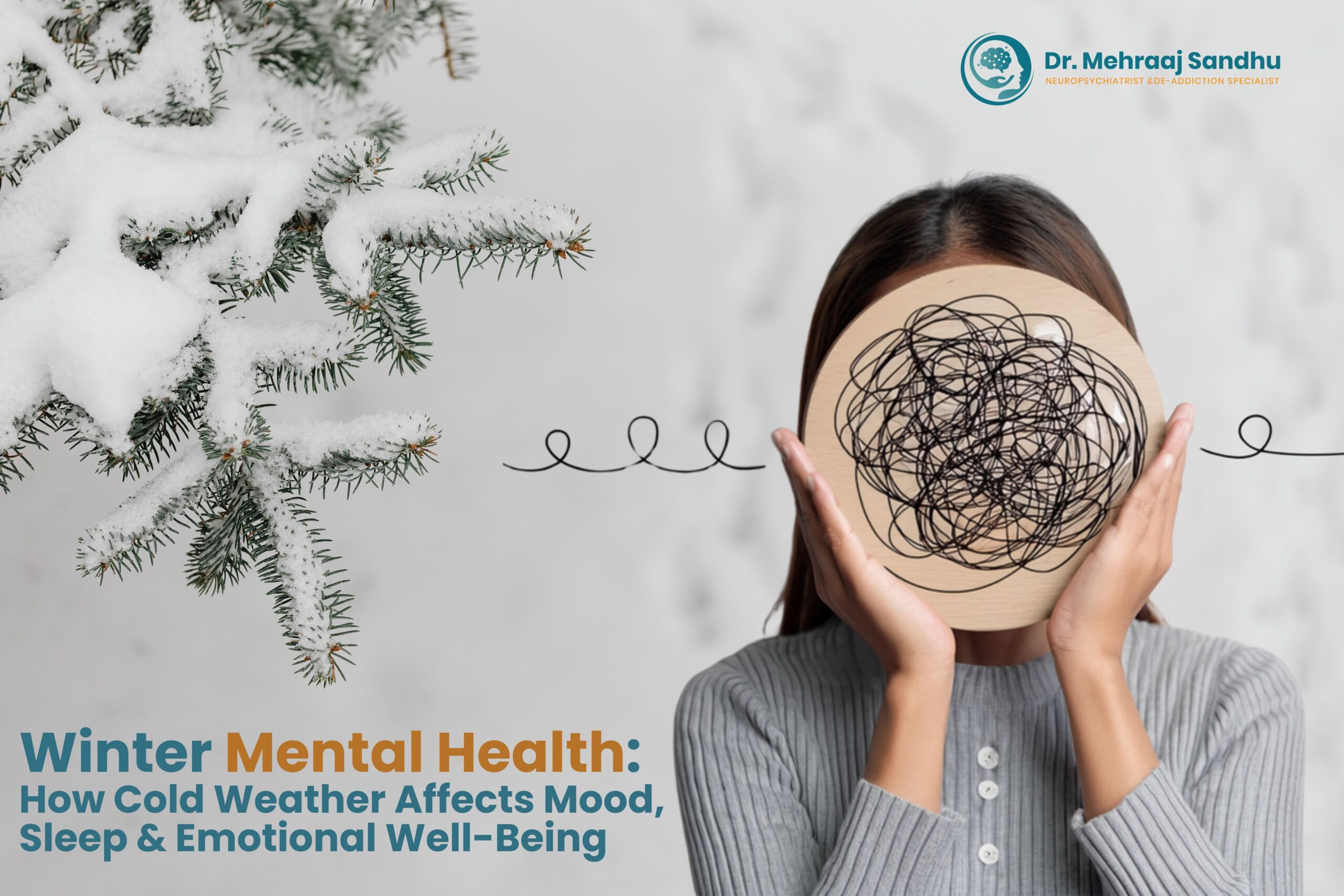
Winter is often seen as a season of comfort and celebration,but for many individuals, it quietly brings emotional and psychological challenges. Reduced daylight, colder temperatures, and changes in daily routines can significantly impact Winter Mental Health, leading to mood swings, anxiety, low motivation, and sleep disturbances.
According to mental health experts like Dr Mehraaj Sandhu,seasonal changes can worsen existing mental health conditions or trigger new symptoms if left unaddressed.Many people searching online for a psychiatrist near me during winter are experiencing these exact concerns.
This blog explains how winter weather affects mental health, who is most vulnerable, and how timely care from atrusted mental health doctor can help restore emotional balance.
Why Winter Mental Health Is Affected
Reduced Sunlight and Its Effect on Brain Chemistry
One of the strongest contributors to Winter Mental Health problems is reduced exposure to sunlight. Sunlight plays a key role in regulating serotonin, the brain chemical responsible for mood stability and emotional well-being.Shorter days can lower serotonin levels, increasing the risk of depression and anxiety.
This is why many individuals seek professional depression and anxiety treatment during winter months.
Disruption of the Body’s Internal Clock
Winter affects the circadian rhythm due to late sunrises and early sunsets. This disruption interferes with sleep patterns,energy levels, and focus, leading to emotional instability and poor Winter Mental Health.
Cold Weather and Reduced Physical Activity
Cold temperatures often reduce outdoor activity, which lowers endorphin production. Endorphins are natural mood boosters, and their absence can contribute to sadness,irritability, and mental fatigue.
Social Isolation During Winter
Staying indoors for long periods can reduce social interaction. Prolonged isolation is a major factor behind declining Winter Mental Health, particularly for peopleliving alone or working remotely.
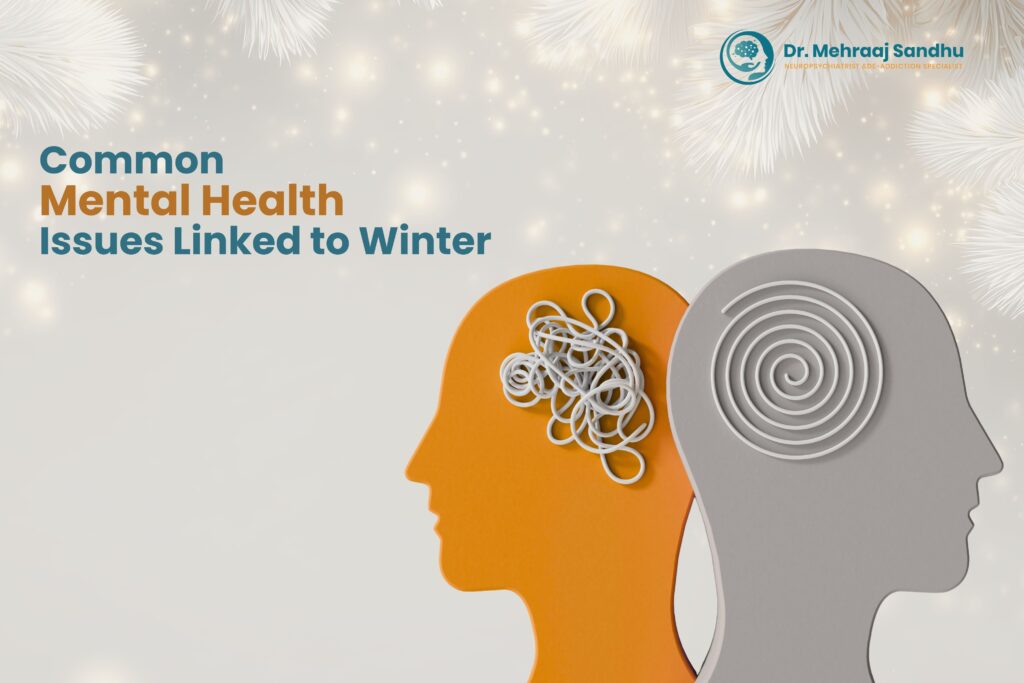
Common Mental Health Issues Linked to Winter
Seasonal Affective Disorder (SAD)
Seasonal Affective Disorder is a form of depression that occurs during winter. Symptoms include persistent low mood, excessive sleep, low energy, and withdrawal from social activities. A qualified psychiatrist can diagnose and treat SAD effectively.
Mood Swings and Emotional Instability
Hormonal fluctuations caused by reduced sunlight often result in mood swings, frustration, and irritability, affecting relationships and productivity.
Anxiety and Overthinking
Winter can heighten anxiety due to inactivity, disrupted sleep, and lack of routine. Many individuals seek mental health treatment during this season to regain emotional control.
Sleep Disorders
Insomnia, oversleeping, or non-restorative sleep are common winter complaints. These issues are closely linked to Winter Mental Health and may require sleep disorder treatment.
How Winter Impacts Sleep Patterns
Increased Melatonin Production
Darkness triggers excess melatonin, causing prolonged drowsiness and low motivation. While melatonin supports sleep, imbalance can negatively affect emotional health.
Poor Sleep Quality
Spending more time in bed does not guarantee quality sleep. Poor sleep worsens anxiety, irritability, and concentration problems.
Excessive Screen Time
Increased screen exposure during winter evenings disrupts sleep cycles and worsens Winter Mental Health symptoms.

Who Is More Vulnerable to Winter Mental Health Issues?
People With Existing Mental Health Conditions
Individuals with depression, anxiety disorders, or bipolar disorder may experience symptom flare-ups during winter and benefit from professional psychiatric care.
Elderly Individuals
Older adults are more prone to loneliness, sleep disturbances, and emotional decline during colder months.
Students and Working Professionals
Academic pressure, work stress, and lack of sunlight can impact focus, motivation, and emotional resilience.
Individuals With Limited Social Support
Lack of meaningful connections increases vulnerability to winter-related emotional struggles.
Practical Ways to Improve Winter Mental Health
Maximize Natural Light Exposure
Spend time outdoors during daylight hours or sit near windows to support serotonin production.
Maintain a Consistent Sleep Routine
A stable sleep schedule supports hormonal balance and improves Winter Mental Health.
Stay Physically Active Indoors
Yoga, stretching, or home workouts can significantly boost mood and reduce anxiety.
Follow a Brain-Healthy Diet
Include:
- Omega-3 fatty acids
- Vitamin D
- Whole grains
- Fresh fruits and vegetables
Stay Socially Connected
Regular conversations and social interactions protect emotional well-being.
Seek Professional Mental Health Support
If symptoms persist, consulting an experienced psychiatrist like dr mehraaj sandhu can provide clarity, diagnosis, and personalized treatment.
When to Seek Professional Help
Persistent Low Mood
If sadness lasts longer than two weeks, professional evaluation is necessary.
Severe Sleep Disturbances
Chronic sleep issues often indicate underlying mental health concerns.
Loss of Interest in Daily Activities
This is a key warning sign of depression and should not be ignored.
Frequently Asked Questions (FAQs)
Q1. What is Winter Mental Health?
It refers to emotional and psychological changes caused by reduced sunlight, cold weather, and seasonal lifestyle changes.
Q2. Is Seasonal Affective Disorder treatable?
Yes. SAD responds well to therapy, lifestyle changes, and medical treatment when diagnosed early.
Q3. Can winter really affect sleep patterns?
Yes. Hormonal changes and reduced daylight disrupt circadian rhythms.
Q4. Does exercise help winter depression?
Absolutely. Exercise naturally boosts mood-regulating chemicals.
Q5. When should I consult a psychiatrist?
If symptoms affect work, relationships, or daily functioning,professional help is advised.
Conclusion: Prioritizing Your Mental Health This Winter
Winter can subtly affect emotional well-being, but proactive care makes a meaningful difference. By understanding Winter Mental Health, maintaining healthy routines, and seeking expert support from dr mehraaj sandhu, individuals can protect their mental well-being throughout the colder months.
Mental health care is not seasonal—it’s essential year-round.
