


Subtotal $0.00

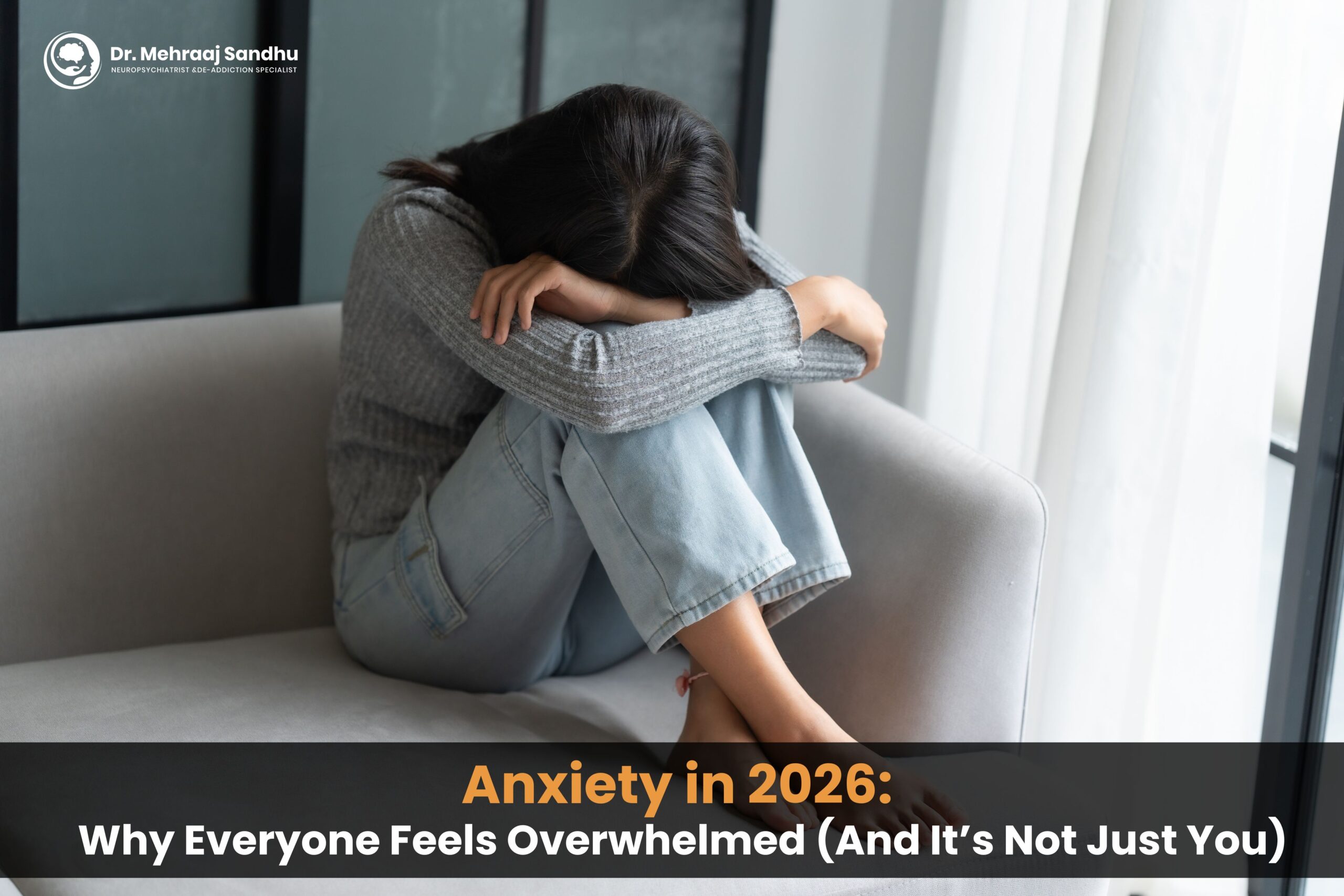
More and more people are quietly dealing with stress, pressure, and mental exhaustion in 2026. You’re not the only one who has been wondering why everyone is so stressed out. This isn’t just a problem for you; it’s a global mental health trend caused by modern lifestyles, too much technology and always having to meet expectations.
At DR MEHRAAJ SANDHU PSYCHIATERIST, patients frequently share similar concerns: “Why do I feel anxious all the time?” or “Why do I feel overwhelmed all the time?” These questions reflect a deeper shift in how we experience anxiety in modern life.
This blog will look at the real reasons behind this overwhelming feeling, with help from experts, and give you useful tips on how to get back in control.
Understanding Anxiety in Modern Life
Modern life is fast-paced, competitive, and always “on.” This creates a perfect storm for anxiety.
The Rise of Constant Pressure
People today are expected to excel in careers, relationships, finances, and personal growth—all at once. This pressure contributes significantly to causes of anxiety in daily life.
Information Overload
We consume more information in a day than people did in a week just a decade ago. This constant input overwhelms the brain, leading to mental fatigue.
Why People Feel Overwhelmed Today
The answer to why people feel overwhelmed today lies in multiple overlapping factors.
Lack of Work-Life Balance
Remote work and digital connectivity blur boundaries, making it hard to switch off.
Unrealistic Expectations
Society often promotes perfection, creating unrealistic standards that are difficult to meet.
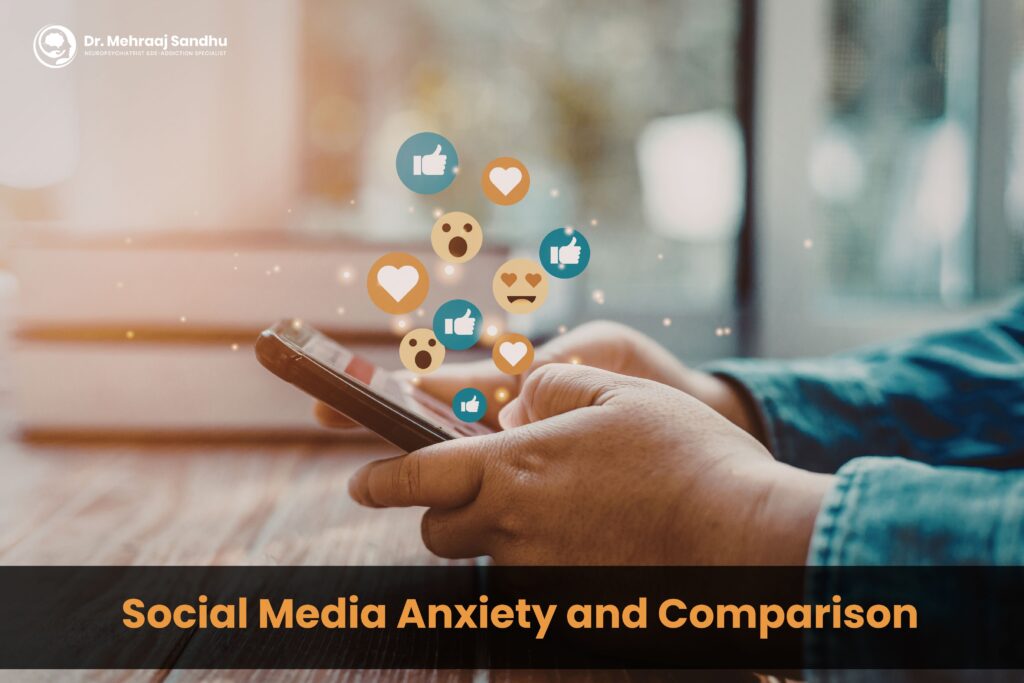
Social Media Anxiety and Comparison
One of the biggest contributors to modern stress is social media anxiety and comparison.
The Comparison Trap
Scrolling through curated lives can make you feel inadequate, even when your life is perfectly normal.
Social Media Anxiety Symptoms
- Constant self-doubt
- Fear of missing out (FOMO)
- Low self-esteem
- Increased stress levels
These social media anxiety symptoms are becoming increasingly common, especially among young users.
Burnout, Stress, and Emotional Fatigue
Another major reason behind why everyone feels overwhelmed is chronic burnout.
What is Burnout?
Burnout is a state of physical and emotional exhaustion caused by prolonged stress.
Burnout and Anxiety in Young Adults
Young professionals and students are particularly vulnerable to burnout and anxiety in young adults due to career pressures and academic expectations.
Causes of Anxiety in Daily Life
Understanding the causes of anxiety in daily life helps in managing it better.
Financial Stress
Rising living costs and economic uncertainty add to mental strain.
Relationship Challenges
Conflicts, loneliness and lack of emotional support can increase anxiety levels.
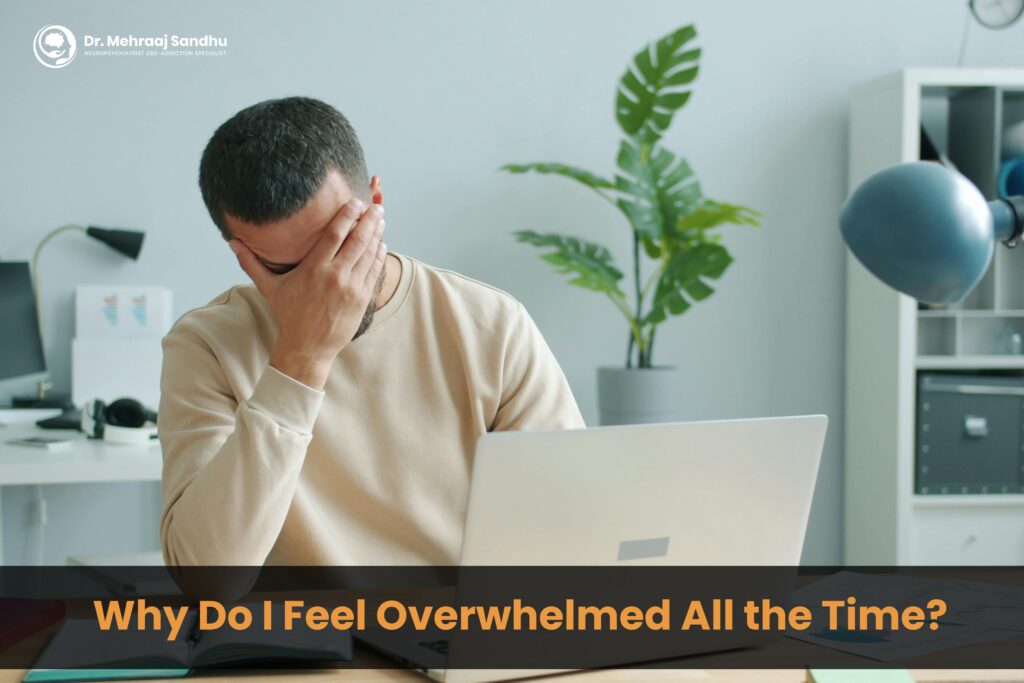
Why Do I Feel Overwhelmed All the Time?
If you constantly ask yourself, why do I feel overwhelmed all the time, the answer may lie in cumulative stress.
Emotional Overload
Too many responsibilities without adequate rest can overload your emotional capacity.
Lack of Self-Care
Ignoring mental health needs worsens stress over time.
How to Deal with Anxiety and Stress
Learning how to deal with anxiety and stress is essential for a healthier life.
Practical Strategies
- Practice mindfulness and meditation
- Maintain a balanced routine
- Limit screen time
- Exercise regularly
Build Emotional Resilience
Developing coping skills helps manage stress more effectively.
When to Seek Help from a Mental Health Expert
Sometimes self-help isn’t enough.
Warning Signs
- Persistent sadness
- Panic attacks
- Difficulty functioning daily
Professional Support
Getting the right diagnosis and treatment is easier when you see a specialist like DR MEHRAAJ SANDHU PSYCHIATERIST. Knowing when to get help from a mental health professional can make a big difference.
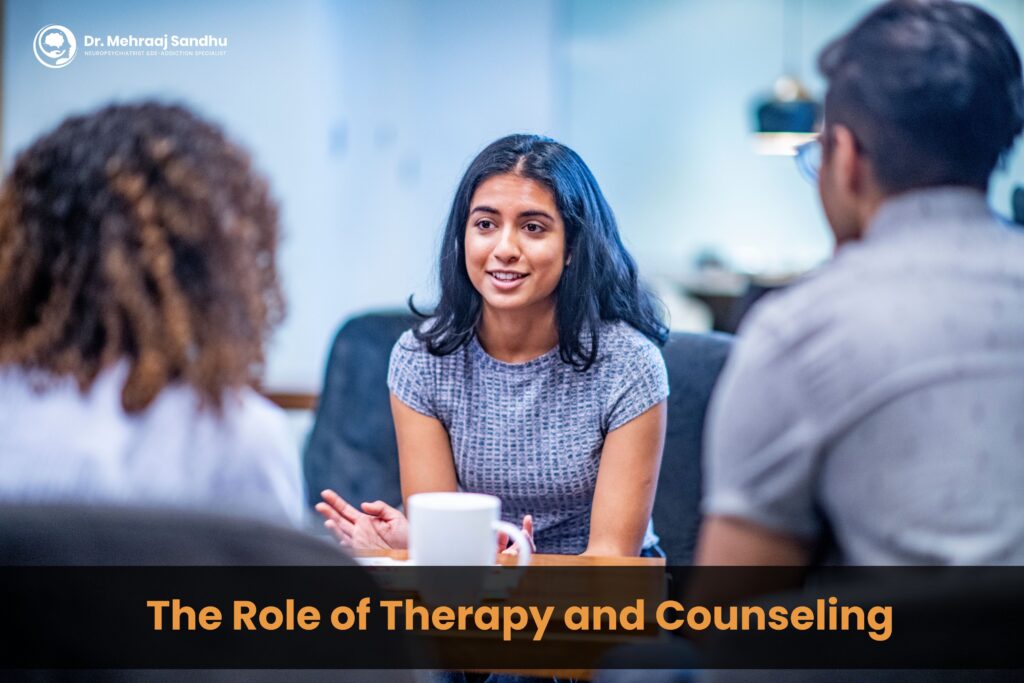
The Role of Therapy and Counseling
Benefits of Therapy
Therapy provides a safe space to explore emotions and develop coping strategies.
Types of Treatments
- Cognitive Behavioral Therapy (CBT)
- Medication (if required)
- Lifestyle counseling
Impact of Technology on Mental Health
Digital Dependency
Constant notifications keep the brain in a state of alertness.
Reduced Attention Span
Technology reduces focus, increasing stress levels.
Importance of Mental Health Awareness
Breaking the Stigma
Open conversations help normalize mental health issues.
Education and Awareness
Understanding anxiety leads to better management.
Lifestyle Changes to Reduce Anxiety
Healthy Habits
- Balanced diet
- Regular sleep
- Physical activity
Mindful Living
Being present reduces stress significantly.
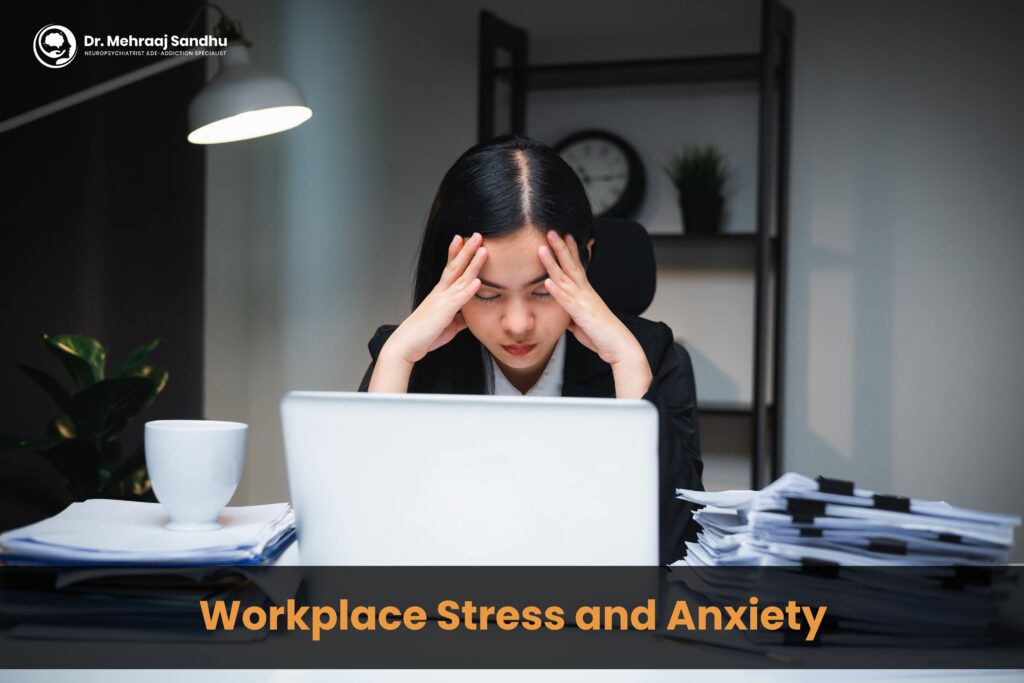
Workplace Stress and Anxiety
High Expectations
Workplace demands often lead to chronic stress.
Coping Mechanisms
Time management and communication can help reduce pressure.
Anxiety in Students and Teenagers
Academic Pressure
Exams and career uncertainty increase stress.
Social Challenges
Peer pressure and identity issues contribute to anxiety.
Long-Term Effects of Untreated Anxiety
Mental Health Risks
Untreated anxiety can lead to depression.
Physical Health Impact
Chronic stress affects heart health and immunity.
FAQs
1. Why does everyone feel overwhelmed in 2026?
Due to digital overload, high expectations, and constant connectivity.
2. What are common social media anxiety symptoms?
Low self-esteem, comparison, and stress are common symptoms.
3. How can I manage anxiety daily?
Practice mindfulness, exercise, and limit screen time.
4. When should I seek professional help?
When anxiety interferes with daily life or causes distress.
5. Is anxiety common in young adults?
Yes, especially due to academic and career pressures.
6. Can lifestyle changes reduce anxiety?
Yes, healthy habits significantly improve mental well-being.
Conclusion
The first step to getting better is to understand why everyone feels so stressed. Anxiety is common in today’s fast-paced world, but it can be dealt with. You can take back control of your mental health with the right help, knowledge and changes to your way of life.
If you’re having trouble, don’t be afraid to ask for help from professionals like DR MEHRAAJ SANDHU PSYCHIATERIST.
