


Subscribe to out newsletter today to receive latest news administrate cost effective for tactical data.

Let’s Stay In Touch

Shopping cart

Subtotal $0.00

View cartCheckout

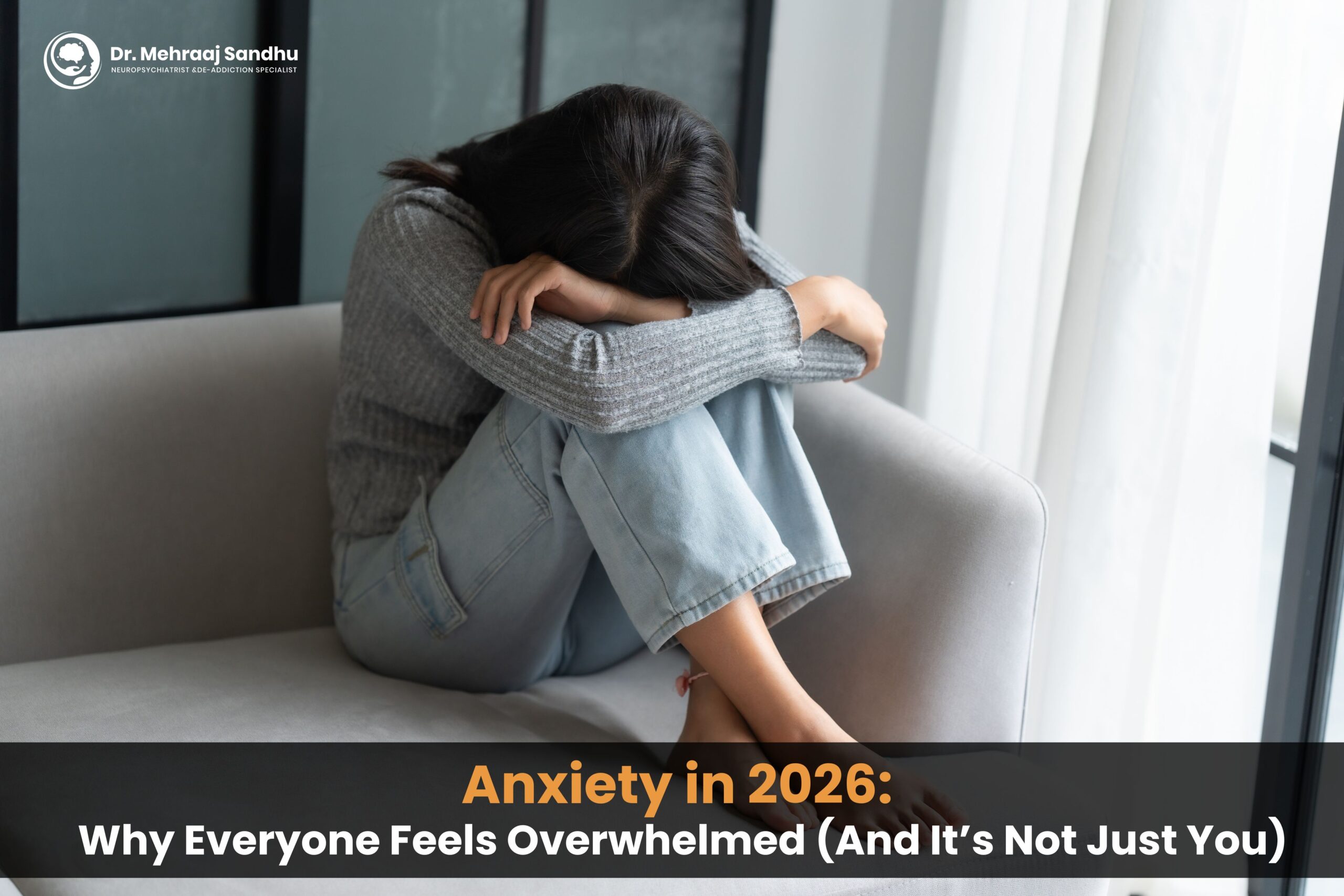
Anxiety in 2026: Why Everyone Feels Overwhelmed (And It’s Not Just You)

  • Home
  • Mental Health
  • Anxiety in 2026: Why Everyone Feels Overwhelmed (And It’s Not Just You)
Overwhelmed

More and more people are quietly dealing with stress, pressure, and mental exhaustion in 2026. You’re not the only one who has been wondering why everyone is so stressed out. This isn’t just a problem for you; it’s a global mental health trend caused by modern lifestyles, too much technology and always having to meet expectations.

At DR MEHRAAJ SANDHU PSYCHIATERIST, patients frequently share similar concerns: “Why do I feel anxious all the time?” or “Why do I feel overwhelmed all the time?” These questions reflect a deeper shift in how we experience anxiety in modern life.

This blog will look at the real reasons behind this overwhelming feeling, with help from experts, and give you useful tips on how to get back in control.

Understanding Anxiety in Modern Life

Modern life is fast-paced, competitive, and always “on.” This creates a perfect storm for anxiety.

The Rise of Constant Pressure

People today are expected to excel in careers, relationships, finances, and personal growth—all at once. This pressure contributes significantly to causes of anxiety in daily life.

Information Overload

We consume more information in a day than people did in a week just a decade ago. This constant input overwhelms the brain, leading to mental fatigue.

Why People Feel Overwhelmed Today

The answer to why people feel overwhelmed today lies in multiple overlapping factors.

Lack of Work-Life Balance

Remote work and digital connectivity blur boundaries, making it hard to switch off.

Unrealistic Expectations

Society often promotes perfection, creating unrealistic standards that are difficult to meet.
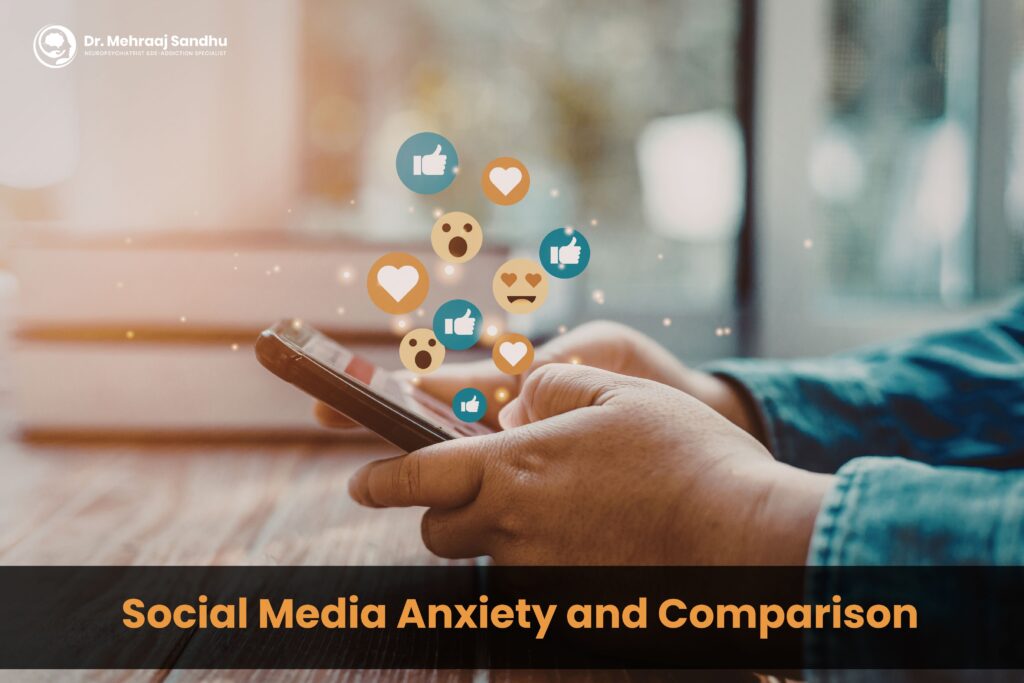
Social Media Anxiety and Comparison

One of the biggest contributors to modern stress is social media anxiety and comparison.

The Comparison Trap

Scrolling through curated lives can make you feel inadequate, even when your life is perfectly normal.

Social Media Anxiety Symptoms

  • Constant self-doubt
  • Fear of missing out (FOMO)
  • Low self-esteem
  • Increased stress levels

These social media anxiety symptoms are becoming increasingly common, especially among young users.

Burnout, Stress, and Emotional Fatigue

Another major reason behind why everyone feels overwhelmed is chronic burnout.

What is Burnout?

Burnout is a state of physical and emotional exhaustion caused by prolonged stress.

Burnout and Anxiety in Young Adults

Young professionals and students are particularly vulnerable to burnout and anxiety in young adults due to career pressures and academic expectations.

Causes of Anxiety in Daily Life

Understanding the causes of anxiety in daily life helps in managing it better.

Financial Stress

Rising living costs and economic uncertainty add to mental strain.

Relationship Challenges

Conflicts, loneliness and lack of emotional support can increase anxiety levels.
Overwhelmed

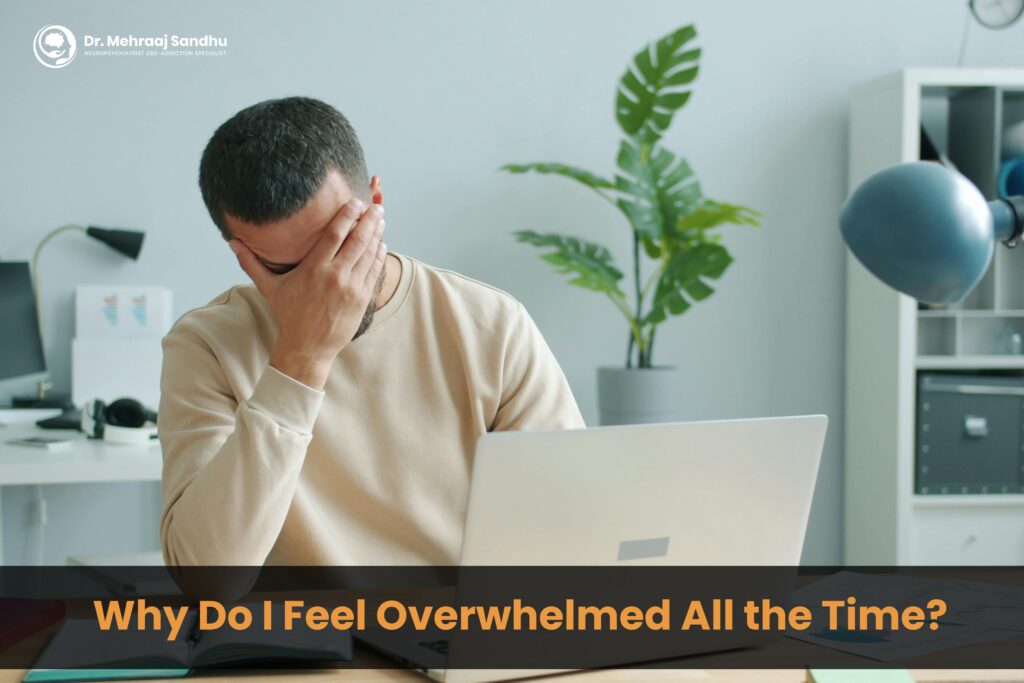
Why Do I Feel Overwhelmed All the Time?

If you constantly ask yourself, why do I feel overwhelmed all the time, the answer may lie in cumulative stress.

Emotional Overload

Too many responsibilities without adequate rest can overload your emotional capacity.

Lack of Self-Care

Ignoring mental health needs worsens stress over time.

How to Deal with Anxiety and Stress

Learning how to deal with anxiety and stress is essential for a healthier life.

Practical Strategies

  • Practice mindfulness and meditation
  • Maintain a balanced routine
  • Limit screen time
  • Exercise regularly

Build Emotional Resilience

Developing coping skills helps manage stress more effectively.

When to Seek Help from a Mental Health Expert

Sometimes self-help isn’t enough.

Warning Signs

  • Persistent sadness
  • Panic attacks
  • Difficulty functioning daily

Professional Support

Getting the right diagnosis and treatment is easier when you see a specialist like DR MEHRAAJ SANDHU PSYCHIATERIST. Knowing when to get help from a mental health professional can make a big difference.

Overwhelmed

The Role of Therapy and Counseling

Benefits of Therapy

Therapy provides a safe space to explore emotions and develop coping strategies.

Types of Treatments

  • Cognitive Behavioral Therapy (CBT)
  • Medication (if required)
  • Lifestyle counseling

Impact of Technology on Mental Health

Digital Dependency

Constant notifications keep the brain in a state of alertness.

Reduced Attention Span

Technology reduces focus, increasing stress levels.

Importance of Mental Health Awareness

Breaking the Stigma

Open conversations help normalize mental health issues.

Education and Awareness

Understanding anxiety leads to better management.

Lifestyle Changes to Reduce Anxiety

Healthy Habits

  • Balanced diet
  • Regular sleep
  • Physical activity

Mindful Living

Being present reduces stress significantly.
Overwhelmed

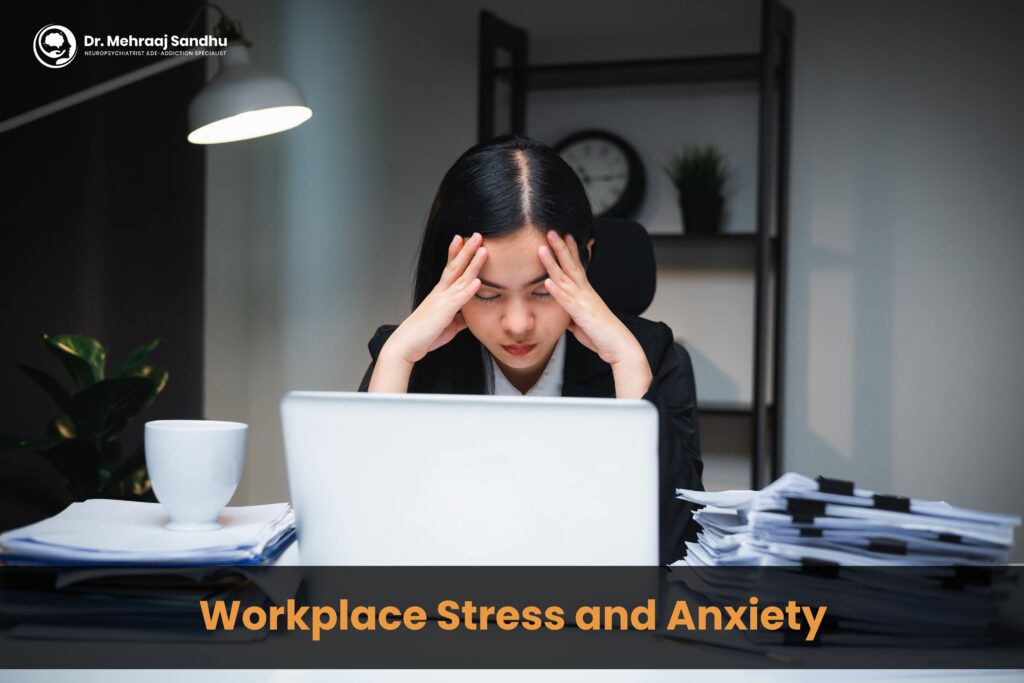
Workplace Stress and Anxiety

High Expectations

Workplace demands often lead to chronic stress.

Coping Mechanisms

Time management and communication can help reduce pressure.

Anxiety in Students and Teenagers

Academic Pressure

Exams and career uncertainty increase stress.

Social Challenges

Peer pressure and identity issues contribute to anxiety.

Long-Term Effects of Untreated Anxiety

Mental Health Risks

Untreated anxiety can lead to depression.

Physical Health Impact

Chronic stress affects heart health and immunity.

FAQs

1. Why does everyone feel overwhelmed in 2026?

Due to digital overload, high expectations, and constant connectivity.

2. What are common social media anxiety symptoms?

Low self-esteem, comparison, and stress are common symptoms.

3. How can I manage anxiety daily?

Practice mindfulness, exercise, and limit screen time.

4. When should I seek professional help?

When anxiety interferes with daily life or causes distress.

5. Is anxiety common in young adults?

Yes, especially due to academic and career pressures.

6. Can lifestyle changes reduce anxiety?

Yes, healthy habits significantly improve mental well-being.

Conclusion

The first step to getting better is to understand why everyone feels so stressed. Anxiety is common in today’s fast-paced world, but it can be dealt with. You can take back control of your mental health with the right help, knowledge and changes to your way of life.

If you’re having trouble, don’t be afraid to ask for help from professionals like DR MEHRAAJ SANDHU PSYCHIATERIST.

Leave a Comment

Your email address will not be published. Required fields are marked *

Psychotherapies & Emotional Wellness

Our therapy programs are designed to support mental well-being across various life situations.

Integrated CBT + Clinical Consultations: Combining therapy with medical guidance for the best outcomes.

Couples Therapy: Helping partners navigate conflict, improve communication, and strengthen relationships.

Interpersonal Therapy (IPT): Effective for depression, grief, and relationship difficulties.

Anger Management Sessions: Non-pharmacological methods for emotional regulation and self-control.

Stress Management Protocols: Structured sessions teaching relaxation, coping techniques, and resilience-building practices.

IPD Services – Detoxification & Rehabilitation

We provide medically supervised detox and long-term rehabilitation for various substance dependencies:

Alcohol Dependence

Opioid Addiction – including brown sugar, afim, chitta

Cocaine

Crystal Meth (Methamphetamine)

Tobacco Dependence

Cannabis/THC Addiction

Treatment Approach

Psychoeducation: Helping patients and families understand addiction as a medical condition.

Motivational Enhancement Therapy (MET): Encouraging readiness and motivation to change.

Cognitive Behavioral Therapy (CBT): Equipping patients with strategies to avoid relapse and rebuild their lives.

De-Addiction, Detox & Rehabilitation

We run specialized addiction recovery programs through OPD (Outpatient) and IPD (Inpatient) facilities.

OPD Services

Standard & Detailed Neuropsychiatric Workups

Personalized Treatment Protocols tailored to each patient.

Psychogenic Irritable Bowel Syndrome (IBS)

IBS is often linked to stress and psychological factors. We address this through a holistic mind-body approach:

Stress management therapy.

Lifestyle modifications.

Psychotherapy to identify and manage emotional triggers of gastrointestinal distress.

Psychogenic Non-Epileptic Seizures (PNES / Pseudo-Seizures)

PNES are seizure-like episodes that have psychological, not neurological, causes. We provide:

Accurate Diagnosis: Differentiating PNES from epileptic seizures using clinical evaluation and investigations.

Therapeutic Approach: Counseling, psychotherapy, and behavioral therapy.

Pharmacological & Non-Pharmacological Care: Medication when required, alongside psychological interventions.

Dementia & Cognitive Disorders

Cognitive decline can be overwhelming for patients and families. Our services aim at both early intervention and long-term support.

Cognitive Assessments: Neuropsychological testing to evaluate memory, attention, language, and executive function.

Diagnosis & Pharmacotherapy: Early detection with individualized treatment plans to slow progression.

Therapeutic Interventions: Non-drug strategies including cognitive stimulation, memory training, and caregiver counseling.

Attention-Deficit/Hyperactivity Disorder (ADHD)

We specialize in diagnosing and managing ADHD in children, adolescents, and adults.

Diagnostic Assessments: Clinical evaluations supported by standardized tools.

Therapeutic Treatment (TT): Includes behavioral interventions, academic support, and skill-building.

Pharmacological Management: Safe use of medications to enhance focus, reduce impulsivity, and improve quality of life.

Anxiety Spectrum Disorders

Anxiety disorders include generalized anxiety disorder (GAD), panic disorder, phobias, and social anxiety. Our approach integrates both medical and therapeutic care:

Cognitive Behavioral Therapy (CBT): Equips patients with tools to manage irrational fears, panic attacks, and excessive worry.

Pharmacotherapy: Safe and evidence-based use of medications where clinically necessary.

Lifestyle & Stress-Management Interventions: Incorporating relaxation protocols, mindfulness, and coping strategies.

Adjustment Disorders

Adjustment disorders occur when individuals struggle to adapt to major life changes or stressors. Symptoms may include anxiety, low mood, or behavioral difficulties. We provide support and tailored interventions for situations such as:

School Transitions or Relocation – Helping children and adolescents adapt to a new environment.

Bullying & Peer Pressure – Providing resilience-building therapies and supportive counseling.

Relationship Breakups or Life Transitions – Guidance and therapy to process emotions, rebuild self-esteem, and restore balance.

Obsessive-Compulsive Disorder (OCD)

OCD is a condition marked by recurring, intrusive thoughts (obsessions) and repetitive behaviors (compulsions). We offer a full spectrum of care:

Comprehensive Diagnosis & Pharmacotherapy: Careful assessment using standardized scales and medical history, followed by evidence-based medication when necessary.

Cognitive Behavioral Therapy (CBT) for OCD: A structured approach that helps patients challenge and reframe obsessive thought patterns while building coping strategies.

Exposure and Response Prevention (ERP): A proven behavioral technique that gradually exposes individuals to their fears while reducing compulsive responses.

Deep Transcranial Magnetic Stimulation (Deep TMS) for Treatment-Resistant OCD: For patients who do not respond to conventional therapy, we offer cutting-edge neuromodulation technology that directly targets specific brain regions involved in OCD.

Relationship & Stress Disorders

Modern life brings with it a host of emotional and psychological challenges that deeply affect personal well-being. Dr. Sandhu provides dedicated support for individuals dealing with marital conflicts and toxic relationships, as well as the pain of breakups, heartbreaks, and trauma recovery. He also addresses adjustment disorders that arise from major life changes such as a new job, family responsibilities, or relocation. For the youth, concerns like parental pressure, academic stress, and mental health struggles are given special attention. Additionally, Dr. Sandhu works with young professionals facing chronic tiredness, burnout, and restlessness, helping them restore balance and resilience in their daily lives.

Youth & Lifestyle Psychiatry

Punjab’s youth today face a range of unique and often overlooked mental health challenges. Dr. Sandhu is among the few psychiatrists openly addressing these issues with sensitivity and expertise. His work focuses on conditions such as adult ADHD, which is frequently misunderstood or misdiagnosed as laziness, as well as concerns like gym obsession, body dysmorphia, and steroid misuse. He also treats rising problems of pornography and phone addiction, along with the emotional struggles tied to foreign migration stress and intense academic pressure. Through targeted interventions and compassionate care, Dr. Sandhu provides much-needed support to help young people navigate these modern-day challenges.

Mind–Body Connection

Psychiatry is not limited to what happens “in the mind” — it also addresses the profound ways in which stress and psychological factors affect the body. Dr. Sandhu specializes in treating conditions rooted in the mind–body connection, including psychogenic IBS and other gut–brain axis disorders, tension-type headaches and migraines, as well as fibromyalgia and chronic pain syndromes. By combining psychiatric expertise with a holistic understanding of physical symptoms, his approach helps patients achieve relief and long-term well-being.

De-Addiction Psychiatry

North India is facing a hidden epidemic, with rising cases ranging from opioid dependence to behavioral addictions. Under the guidance of Dr. Sandhu, specialized de-addiction programs are designed using evidence-based recovery models to ensure effective outcomes. These programs address a wide spectrum of substance use disorders, including dependence on pregabalin, tramadol, alcohol, and opioids, as well as behavioral addictions such as excessive phone use, pornography, gambling, and gaming. To ensure sustained recovery, a strong emphasis is placed on relapse prevention through long-term support, structured therapy, and family counseling, helping patients and their families rebuild healthier, more balanced lives.

Neuropsychiatry

We provide specialized care for a wide spectrum of neurological and psychiatric conditions, including Dementia, Alzheimer’s disease, and other memory disorders, as well as Parkinson’s disease with associated psychiatric complications. Our expertise also covers epilepsy-related psychiatric conditions and the complex relationship between migraine, neurological pain, and mental health. With an integrated approach, we focus on both the neurological and psychological aspects to ensure comprehensive treatment and support for patients and their families.