


Subtotal $0.00

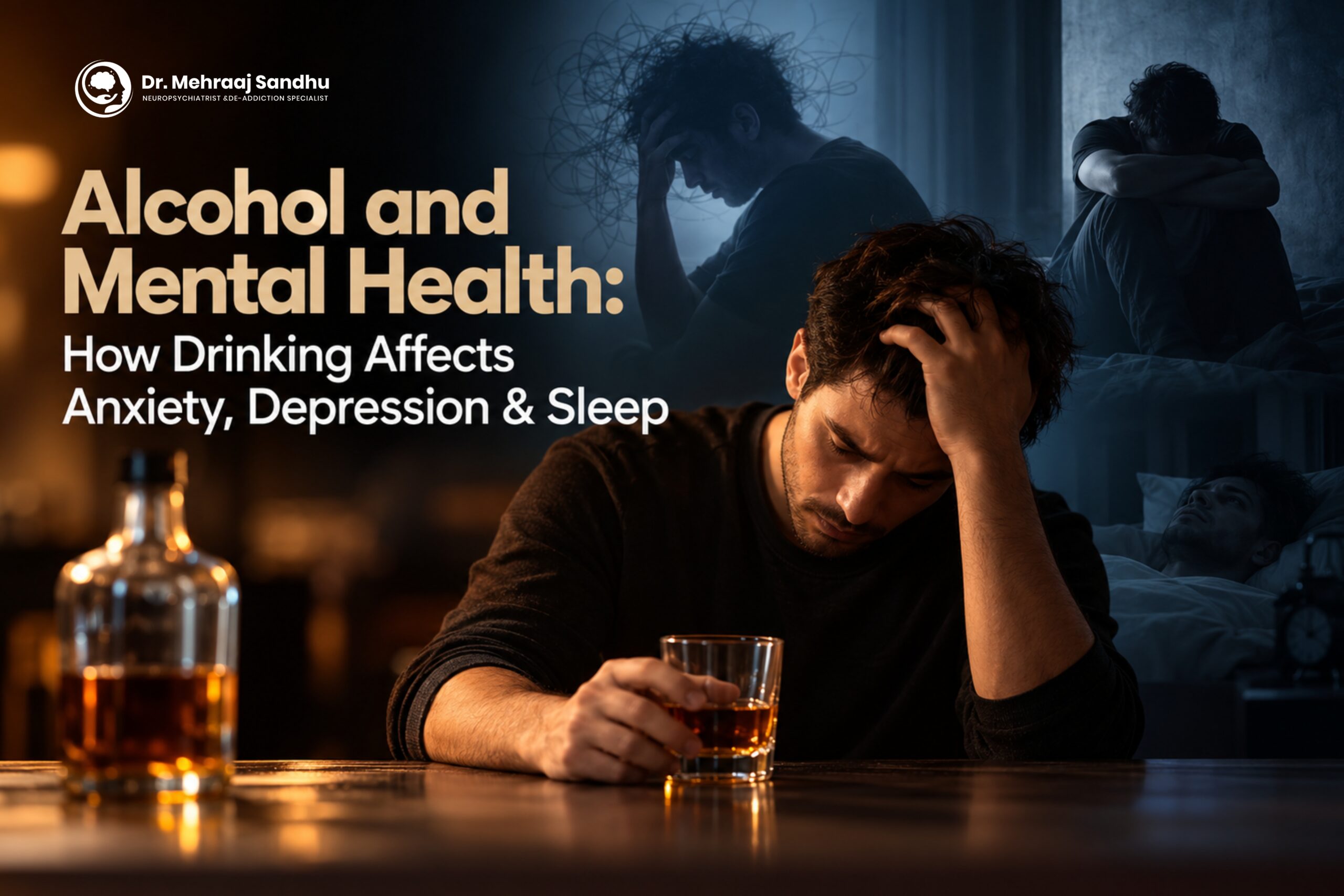
Alcohol is generally associated with relaxation, socializing and a temporary respite from the stresses of everyday life. Some people drink after a long day because they think it helps them relax or sleep. Alcohol, however, can produce quite different effects in the short term from those that emerge hours or days later.
Understanding the relationship between alcohol and mental health is important because drinking can influence mood, anxiety, sleep quality, concentration and emotional well-being. Although alcohol may temporarily reduce feelings of tension, its effects on the brain and nervous system can contribute to increased anxiety, disrupted sleep and worsening depressive symptoms in some people.
The relationship is not always straight forward. Mental health difficulties can influence drinking behaviors and regular or heavy drinking can exacerbate existing symptoms. Both problems can develop together also and need the appropriate support.
This guide explains how alcohol affects emotional health, why drinking can sometimes make anxiety or depression worse, how it changes sleep and when it may be helpful to speak with a mental health professional.
Understanding the Connection Between Alcohol and Mental Health
Alcohol affects the central nervous system, which regulates functions such as mood, attention, coordination and sleep. Its effects depend on several factors, including the amount consumed, frequency of drinking, individual biology, medications and existing health conditions.
A person may initially feel relaxed or less self-conscious after drinking. As alcohol leaves the body, however, its effects change. Some people experience irritability, low mood, restlessness or anxiety during this period.
Why Alcohol Can Feel Relaxing at First
Alcohol disrupts brain signaling systems related to inhibition, reward and emotional regulation. These effects can loosen you up and make you less self-conscious for a little while.
This brief experience can reinforce the idea of alcohol as a stress reliever.
But temporary relief does not necessarily indicate that the underlying problem has improved. The stressor is still present, and alcohol may add to the problems, particularly when it is used as a regular coping mechanism.
Why the Effects Can Change Later
As alcohol is metabolised, the brain adjusts to its effects. Depending on how much someone drinks and their drinking pattern, they may experience changes in mood, sleep and anxiety.
This can create a cycle in which someone drinks to feel better, experiences discomfort later and then drinks again to obtain temporary relief.
Recognising this pattern can be an important first step towards finding healthier ways to manage emotional distress.
Effects of Alcohol on Mental Health
The effects of alcohol on mental health vary from person to person, but frequent heavy drinking is associated with several psychological difficulties.
Alcohol can affect judgement, emotional regulation, concentration, motivation and relationships. It can also complicate the assessment and treatment of existing mental health conditions.
Changes in Mood and Emotional Regulation
Alcohol can make emotions feel more intense or harder to manage. Some people become more impulsive or irritable after drinking, while others experience sadness or emotional numbness.
Repeated episodes may affect relationships, work performance and daily responsibilities.
Reduced Concentration and Motivation
Heavy drinking and hangover symptoms can interfere with concentration, memory, decision-making, and energy levels.
When these difficulties become frequent, ordinary tasks may feel more demanding. This can contribute to frustration and stress, especially when a person is already experiencing mental health challenges.
Increased Emotional Vulnerability
Alcohol can lower inhibitions and affect decision-making. During periods of emotional distress, this may increase the likelihood of impulsive actions or unhealthy coping behaviours.
For people experiencing significant anxiety or depression, drinking may also make it harder to recognise symptoms clearly and follow a treatment plan consistently.
Alcohol and Anxiety: Why Drinking Can Make Worry Worse
Some people drink because they feel nervous in social situations, have persistent worries or struggle to relax. Alcohol may temporarily reduce these feelings, but the relief can be followed by increased anxiety.
The connection between alcohol and anxiety is particularly important when drinking becomes the main way someone manages uncomfortable emotions.
The Temporary Relief Cycle
Imagine someone who feels anxious before a social event. They drink to feel more comfortable, notice that their nervousness temporarily decreases and begin relying on alcohol before similar situations.
Over time, they may become less confident about managing those situations without drinking.
This pattern can reinforce avoidance rather than helping the person develop lasting coping skills.
Why Anxiety May Increase the Next Day
After drinking, some people experience restlessness, racing thoughts, irritability, or a sense of unease. These symptoms may be more noticeable following heavy drinking or poor-quality sleep.
The experience is sometimes described informally as hangover anxiety.
However, anxiety the following day can have several causes, and persistent symptoms should not automatically be attributed to alcohol alone.
When Drinking Becomes a Coping Mechanism
Warning signs can include drinking regularly to calm down, feeling you cannot socialize without alcohol or feeling anxious when alcohol is not available.
If this pattern develops, professional support can help you identify underlying concerns and develop safer ways to cope.
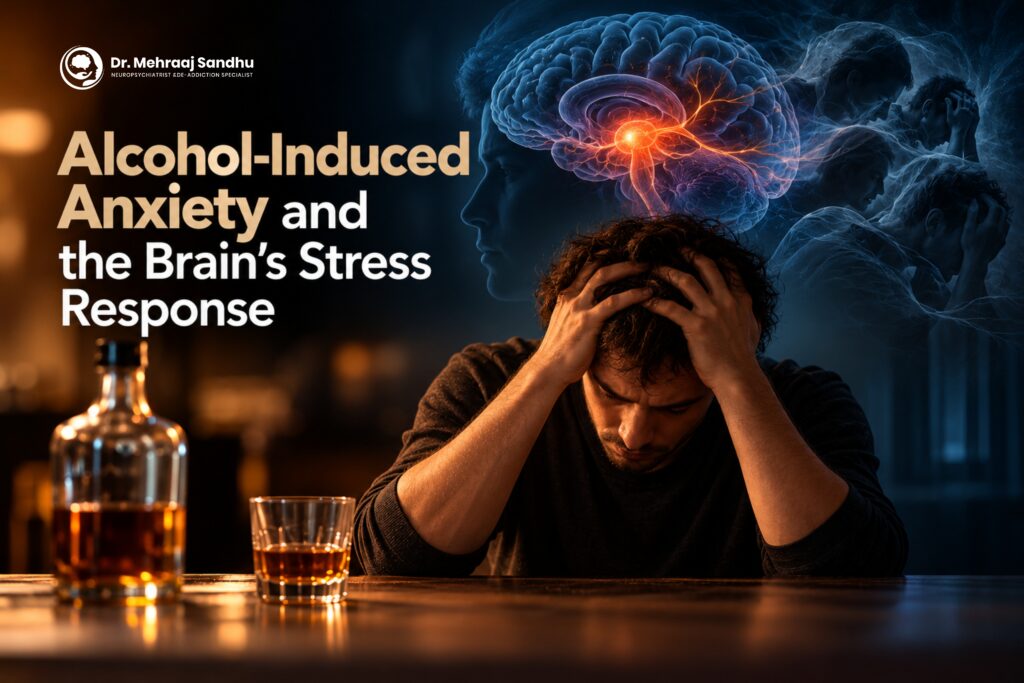
Alcohol-Induced Anxiety and the Brain’s Stress Response
Alcohol can affect the brain systems that regulate arousal and stress. When its immediate effects wear off, the nervous system may respond differently than it did while alcohol was active.
In people who drink heavily or regularly, these changes can become more pronounced.
Recognising Possible Symptoms
Symptoms associated with drinking or its after-effects may include:
- Restlessness or nervousness.
- Irritability and mood changes.
- Difficulty concentrating.
- Racing thoughts.
- Increased physical tension.
- Difficulty sleeping.
- A heightened sense of unease.
These symptoms are not specific to alcohol. Anxiety disorders, medication effects, medical conditions and other factors can produce similar experiences.
When Medical Assessment Is Important
If anxiety repeatedly appears after drinking, affects daily functioning, or leads to more alcohol consumption, a healthcare professional can help assess the pattern.
Severe anxiety accompanied by shaking, sweating, vomiting, agitation, confusion or other symptoms after reducing alcohol use may indicate withdrawal. Alcohol withdrawal can be dangerous and sometimes life-threatening, so urgent medical assessment may be necessary.
Alcohol and Depression: Understanding the Relationship
The connection between alcohol and depression can be complex. Some people drink when they feel sad, lonely or overwhelmed. Others notice low mood after drinking, particularly when alcohol disrupts sleep or contributes to problems in their personal lives.
Research has found an association between heavy alcohol use and depression, but the relationship can work in both directions. Alcohol may worsen depressive symptoms, while depression may increase the likelihood of drinking as a coping strategy.
Why Mood May Drop After Drinking
Alcohol affects brain systems involved in reward and emotional regulation. After its immediate effects fade, some people experience fatigue, irritability, reduced motivation or low mood.
Poor sleep, dehydration, conflict and regret about drinking-related decisions may also contribute.
These experiences do not automatically indicate clinical depression, but recurring symptoms deserve attention.
Alcohol Can Complicate Existing Depression
Frequent heavy drinking can make it more difficult for someone who is already depressed to maintain routines, keep appointments, take medications as prescribed or engage in supportive relationships.
Alcohol can influence judgment and impulsivity. This is especially dangerous when someone is feeling hopeless or having thoughts of hurting themselves.
When Low Mood Needs Professional Attention
Consider speaking with a qualified mental health professional if low mood, loss of interest, fatigue, hopelessness, or changes in appetite and sleep persist or interfere with daily life.
Depression is treatable and an assessment can help determine whether symptoms relate to depression, alcohol use, another health condition or a combination of factors.
If you have thoughts of suicide or feel unable to keep yourself safe, seek immediate help from local emergency services or a crisis support service.
How Alcohol Affects Sleep
Alcohol is sometimes used as a sleep aid because it can make people feel drowsy. However, feeling sleepy is not the same as getting restorative sleep.
Understanding how alcohol affects sleep can explain why someone may fall asleep quickly yet wake up tired, restless, or unable to return to sleep.
Alcohol Can Disrupt Sleep Architecture
Sleep occurs in several stages, including rapid eye movement (REM) sleep and non-REM sleep. Alcohol can change the normal distribution of these stages, particularly during the first part of the night.
As alcohol levels fall, sleep may become lighter and more fragmented. Some people experience more awakenings, vivid dreams or difficulty returning to sleep.
Why You May Wake Up Feeling Tired
Alcohol-related sleep disruption can contribute to daytime fatigue, poor concentration, irritability, and reduced energy.
Other factors, including late-night eating, dehydration, snoring, and existing sleep disorders, may also affect how someone feels the following morning.
Repeatedly using alcohol to fall asleep can become counterproductive because the underlying sleep difficulty remains unresolved.
Alcohol and Sleep Problems Can Reinforce Each Other
Someone who struggles with insomnia may begin drinking at night to feel sleepy. When sleep quality subsequently worsens, they may drink again the next evening.
Over time, this pattern can make it harder to develop consistent sleep habits.
If sleep problems continue, a healthcare professional can help assess potential causes and discuss appropriate options, including evidence-based treatments for insomnia where suitable.
Alcohol Addiction and Mental Health
Problematic alcohol use and mental health conditions can occur together. A person may experience anxiety or depression alongside difficulty controlling their drinking.
The relationship between alcohol addiction and mental health can be difficult to untangle without a proper assessment.
Warning Signs of Unhealthy Drinking
Possible warning signs include:
- Drinking more or for longer than intended.
- Repeated unsuccessful attempts to reduce drinking.
- Strong cravings for alcohol.
- Neglecting responsibilities because of drinking.
- Continuing despite relationship, work, or health problems.
- Developing tolerance or experiencing withdrawal symptoms.
Having one or more of these signs does not establish a diagnosis on its own. A qualified healthcare professional can assess the severity of the problem and recommend appropriate support.
Why Treating Both Problems Matters
In the case of a mental health condition and alcohol use problem, treating only one of the conditions could leave critical challenges unaddressed.
Integrated care can help assess together mood, anxiety, sleep, drinking patterns, medications and other health factors relevant.
Treatment may involve psychological therapy, medical care, structured alcohol treatment, peer support or other approaches based on the person’s needs.
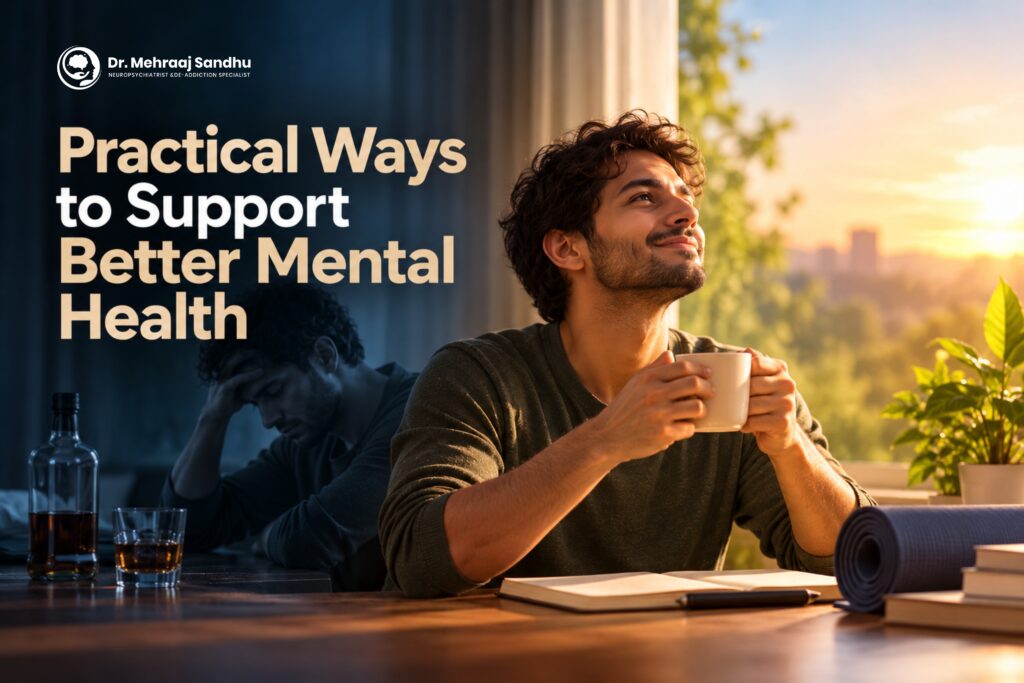
Practical Ways to Support Better Mental Health
Changing drinking habits can be challenging, especially when alcohol has become a familiar way to manage stress. Small, realistic steps can help people understand their patterns and seek appropriate support.
Identify Your Triggers
Notice when you feel most inclined to drink. Common triggers can include work stress, loneliness, social pressure, conflict, or difficulty sleeping.
Recognising these patterns can help you identify alternatives before the urge becomes overwhelming.
Develop Alternative Coping Strategies
Depending on your circumstances, useful alternatives may include walking, relaxation exercises, talking with a trusted person, maintaining a regular sleep schedule, or engaging in a meaningful activity.
These strategies are not substitutes for treatment when an alcohol-use disorder or mental health condition is present, but they may complement professional care.
Track Mood, Sleep, and Drinking Patterns
A simple journal can help you notice relationships between alcohol use, anxiety, mood, and sleep.
Record when you drink, how you sleep and how you feel the following day. This information can also help a healthcare professional understand your experiences.
Seek Guidance Before Stopping Suddenly
If you drink heavily or regularly, stopping abruptly can cause dangerous withdrawal symptoms. Do not attempt an unsupported detox if you may be physically dependent on alcohol.
A healthcare professional can assess your risk and help you plan a safer reduction or withdrawal process.
When Should You Seek Professional Mental Health Support?
It may be time to seek help if alcohol is affecting your relationships, work, sleep, mood or ability to manage everyday responsibilities.
You do not need to wait until the situation becomes severe.
Signs That Deserve Attention
Consider professional assessment if you:
- Feel increasingly anxious after drinking.
- Experience persistent low mood.
- Regularly use alcohol to fall asleep.
- Find it difficult to reduce your intake.
- Experience memory gaps or blackouts.
- Notice worsening mental health symptoms.
- Feel unable to cope without alcohol.
What a Mental Health Professional Can Help With
A qualified professional can assess your symptoms, drinking habits, medical history and other factors that could impact your health.
Support could involve psychotherapy, treatment for anxiety or depression, sleep interventions, medical management or referral to specialist alcohol services, depending on the assessment.
Dr. Mehraaj Sandhu can be a reference point for people who are looking for professional mental health support. Individuals seeking care should confirm that the clinician is currently providing services, is qualified and is appropriate for their particular needs.
Frequently Asked Questions About Alcohol and Mental Health
Q1: Can alcohol make anxiety worse?
Yes. Although alcohol might relieve tension at first, the after-effects can cause restlessness, irritability and more anxiety. Heavy or frequent drinking may also strengthen the use of alcohol as a coping mechanism. If symptoms continue, seek evaluation from a health care professional.
Q2: Does alcohol contribute to depression?
Heavy alcohol use is associated with depression and can worsen symptoms in some people. The relationship works in both directions, since depression may also contribute to drinking. A professional assessment can help identify contributing factors and appropriate treatment options.
Q3: Why do I wake up anxious after drinking?
The after-effects of alcohol, disrupted sleep, physical discomfort, and changes in nervous system activity may contribute to next-day anxiety. If symptoms are severe, recurrent or accompanied by withdrawal signs, seek medical assessment rather than assuming they are simply a hangover.
Q4: Does alcohol help you sleep better?
Alcohol may make you feel sleepy initially, but it can disrupt normal sleep patterns and lead to more awakenings later in the night. Regularly relying on it to fall asleep can worsen ongoing sleep difficulties.
Q5: Can reducing alcohol improve mental health?
In some people, cutting down on alcohol may enhance sleep, mood stability, concentration and anxiety symptoms. There are varying degrees of improvement and underlying mental health issues may still need to be treated. If you are physically dependent, seek medical advice before reducing or stopping.
Q6: When should someone seek help for alcohol-related mental health problems?
Seek professional support when drinking affects mood, sleep, relationships, work or daily functioning or when reducing alcohol feels difficult. Severe withdrawal symptoms, confusion, seizures or immediate risk of self-harm require urgent medical assistance.
Conclusion: Taking Care of Your Mental Health Starts With Understanding the Pattern
Alcohol has effects beyond physical health. It can influence mood, anxiety, sleep, concentration, relationships and how people deal with stress. While drinking can offer temporary relief, using it as a constant emotional coping strategy can lead to a cycle that becomes harder to manage.
Recognising the connection between drinking habits and emotional well-being is an important first step. Tracking symptoms, building healthier coping strategies, and seeking professional assessment can help people understand what is happening and explore appropriate treatment.
If you are concerned about your drinking or notice persistent anxiety, depression, or sleep difficulties, you do not have to work through the problem alone. Support is available and treatment can be tailored to your circumstances.
Dr. Mehraaj Sandhu is a relevant starting point for exploring mental health support and understanding the importance of seeking professional guidance when symptoms affect everyday life.
Medical Disclaimer
This article is for educational purposes only and is not a substitute for medical advice, diagnosis, or treatment. Alcohol withdrawal can be dangerous, particularly after heavy or prolonged drinking. Seek medical advice before stopping suddenly if physical dependence is possible. In an emergency, contact local emergency services.
