


Subtotal $0.00

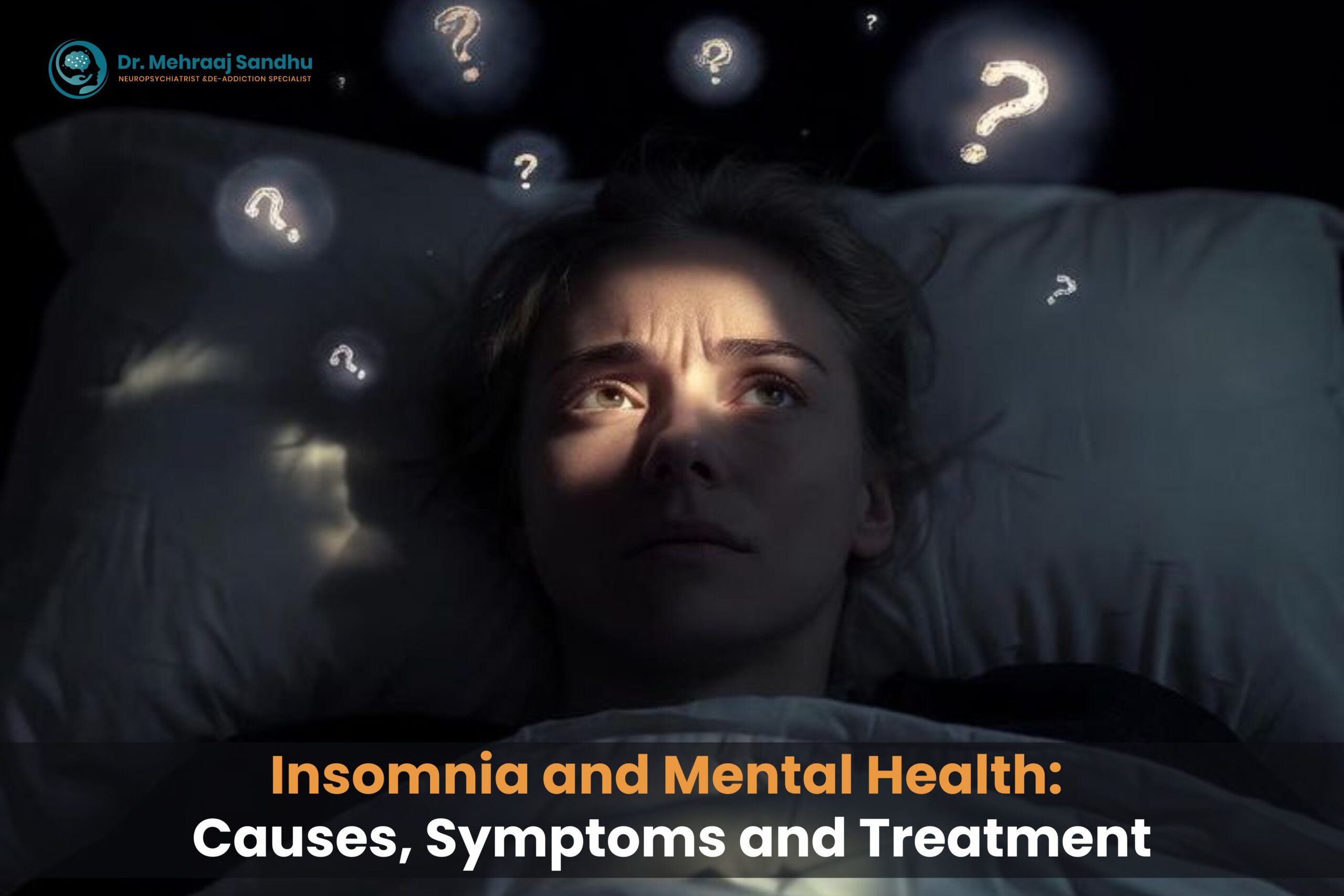
Sleep is important for both your physical and mental health. But millions of people have trouble sleeping and insomnia and mental health are closely related. Lack of sleep can make mental health worse and mental health problems can also make sleep patterns worse.
Insomnia is not simply about difficulty falling asleep. It can involve trouble staying asleep, waking up too early or experiencing poor-quality sleep that affects daily functioning. When left untreated, insomnia can impact mood, concentration, productivity and overall mental stability.
According to Dr Mehraaj Sandhu psychiatrist, understanding the underlying causes of insomnia is essential for choosing the right treatment plan. Many patients who experience long-term sleep disturbances may also struggle with anxiety, depression or emotional stress.
This article examines the connection between sleep and psychological well-being, detailing prevalent causes, symptoms and efficacious treatment methods to restore healthy sleep patterns.
Understanding the Connection Between Insomnia and Mental Health
Sleep and mental health are closely connected. When a person experiences emotional distress or psychological imbalance, sleep patterns often become disrupted.
How Insomnia Affects Mental Health
One of the most important aspects of insomnia and mental health is the two-way relationship between them. Sleep problems can worsen mental health conditions, while mental disorders can make it difficult to sleep.
Some ways sleep deprivation affects mental health include:
- Increased anxiety and irritability
- Difficulty concentrating
- Mood swings and emotional instability
- Reduced ability to cope with stress
- Increased risk of depression
When sleep disturbances continue for long periods, the brain struggles to regulate emotions effectively. This is why professionals often evaluate how insomnia affects mental health when assessing patients with mood or anxiety disorders.
Mental Health and Sleep Problems
There is a lot of medical research that shows how mental health and sleep problems are related. Anxiety disorders, depression, post-traumatic stress disorder and chronic stress can all make it hard for the brain to sleep normally.
Psychiatric specialists emphasize that sleep disturbances should not be ignored, as they may be an early warning sign of emotional distress.
Causes of Insomnia Related to Mental Health
Understanding the causes of insomnia related to mental health can help identify appropriate treatment strategies.
Anxiety Disorders
Anxiety can make it difficult for the brain to relax at night. People may experience racing thoughts, worry about daily problems or fear upcoming events, all of which interfere with falling asleep.
Depression
Depression often disrupts sleep patterns. Some individuals struggle with insomnia, while others may experience excessive sleep. Changes in brain chemistry can significantly affect sleep regulation.
Chronic Stress
Stress is one of the most common contributors to insomnia. Work pressure, financial concerns or personal issues may lead to ongoing mental tension that prevents restful sleep.
Trauma and Emotional Distress
Traumatic experiences or unresolved emotional issues may trigger long-term sleep disturbances. Individuals may experience nightmares or repeated awakenings during the night.
Symptoms of Insomnia and Emotional Stress
Recognizing early warning signs is important for preventing chronic sleep disorders. Many people ignore sleep disturbances until they begin affecting daily functioning.
Symptoms of Insomnia Disorder
Common symptoms of insomnia disorder include:
- Difficulty falling asleep
- Frequent waking during the night
- Waking up too early
- Feeling tired after sleep
- Daytime fatigue or sleepiness
- Poor concentration
These symptoms may occur several times per week and persist for months in chronic cases.
Emotional Symptoms
The symptoms of insomnia and emotional stress often extend beyond sleep problems. Individuals may experience:
- Increased irritability
- Low mood
- Difficulty managing stress
- Reduced motivation
- Memory problems
If these symptoms persist, professional evaluation may be necessary.
Insomnia Causes and Treatment Approaches
Treatment for insomnia typically depends on identifying underlying causes. Mental health professionals often combine psychological and lifestyle strategies.
Therapy and Psychological Support
Therapy plays an important role in addressing sleep problems linked to mental health.
Common therapeutic approaches include:
- Cognitive Behavioral Therapy for Insomnia (CBT-I)
- Stress management counseling
- Anxiety management techniques
These therapies help individuals identify negative thought patterns that interfere with sleep.
Lifestyle Changes to Improve Sleep
Doctors often recommend lifestyle improvements as part of insomnia causes and treatment strategies.
Some helpful habits include:
- Maintaining a consistent sleep schedule
- Avoiding caffeine late in the day
- Limiting screen exposure before bedtime
- Practicing relaxation techniques
- Creating a comfortable sleep environment
Healthy sleep habits can significantly improve long-term sleep quality.
Treatment Options Like Therapy, Lifestyle Changes and Medical Support
Many patients require a combination of approaches to restore healthy sleep patterns.
Medical Support
In some cases, doctors may recommend medications to manage short-term insomnia or related anxiety. However, medications are usually prescribed carefully and for limited periods.
Psychiatrists evaluate factors such as:
- Severity of insomnia
- Presence of anxiety or depression
- Patient medical history
This ensures safe and personalized treatment.
Holistic Treatment Strategies
Comprehensive treatment often includes:
- Psychological therapy
- Stress reduction techniques
- Healthy sleep habits
- Professional monitoring
These methods aim to address both sleep disturbances and the underlying emotional causes.
Treatment for Insomnia and Anxiety
Anxiety is one of the most common contributors to chronic insomnia.
Treatment for individuals experiencing treatment for insomnia and anxiety may include:
- Cognitive behavioral therapy
- Relaxation exercises
- Breathing techniques
- Mindfulness meditation
These approaches help calm the mind and improve sleep quality over time.
Mental health professionals often emphasize treating both anxiety and insomnia simultaneously for better outcomes.
When to Consult a Psychiatrist
Sleep problems that persist for several weeks may indicate a deeper mental health issue.
Warning Signs That Require Professional Help
You should consider when to consult a psychiatrist if you experience:
- Chronic sleep problems lasting more than three weeks
- Severe anxiety or depression
- Difficulty functioning during the day
- Frequent nightmares or panic attacks
- Sleep disturbances affecting work or relationships
Seeking professional help early can prevent long-term complications.
Expert Guidance
Consulting an experienced professional like Dr Mehraaj Sandhu psychiatrist can help identify the underlying causes of sleep disorders and provide effective treatment plans tailored to each patient’s needs.
Long-Term Impact of Untreated Insomnia
Ignoring sleep disorders can lead to several health risks.
Potential long-term effects include:
- Increased risk of depression
- Higher stress levels
- Reduced cognitive performance
- Weakened immune system
- Increased risk of cardiovascular problems
Addressing insomnia early can significantly improve both mental and physical health outcomes.
Frequently Asked Questions
1. What is the connection between insomnia and mental health?
Sleep and mental health influence each other. Poor sleep can worsen emotional well-being, while mental health conditions can disrupt sleep patterns.
2. Can anxiety cause insomnia?
Yes, anxiety is one of the most common causes of sleep difficulties due to racing thoughts and constant worry.
3. How is insomnia diagnosed?
Doctors usually evaluate sleep patterns, lifestyle habits, stress levels and mental health conditions before diagnosing insomnia.
4. What treatments are available for insomnia?
Treatment may include therapy, lifestyle improvements, relaxation techniques and medical support when necessary.
5. When should someone seek professional help for insomnia?
If sleep problems last more than a few weeks and affect daily functioning, consulting a mental health professional is recommended.
6. Can lifestyle changes improve insomnia?
Yes, maintaining a consistent sleep routine, reducing stress and limiting screen exposure can help improve sleep quality.
Conclusion
Insomnia is more than just difficulty sleeping—it is closely connected to emotional well-being. The relationship between insomnia and mental health highlights the importance of recognizing symptoms early and seeking appropriate care.
Knowing what causes insomnia, spotting the signs, and developing good sleep habits can make a big difference in your quality of life. People who have trouble sleeping all the time can get help from professionals like psychiatrist Dr. Mehraaj Sandhu, who can come up with solutions that are right for them.
By addressing both sleep issues and mental health concerns together, individuals can restore healthy sleep patterns and improve their overall well-being
