


Subscribe to out newsletter today to receive latest news administrate cost effective for tactical data.

Let’s Stay In Touch

Shopping cart

Subtotal $0.00

View cartCheckout

Panic Attack vs. Anxiety Attack: 5 Key Differences You Need to Know

  • Home
  • Cardiology
  • Panic Attack vs. Anxiety Attack: 5 Key Differences You Need to Know
panic attack vs anxiety attack

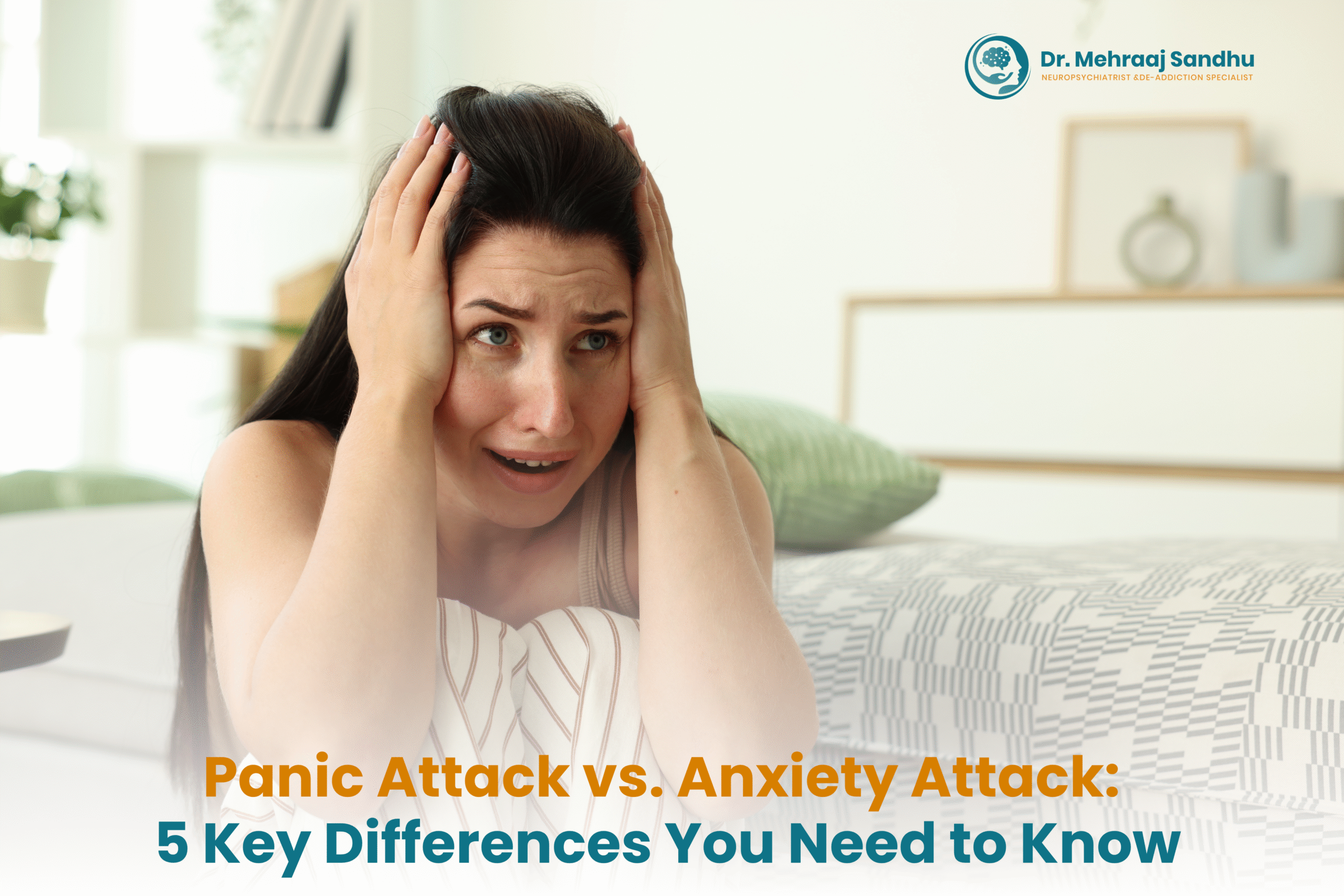
More and more people are talking about mental health, but there’s still a lot of confusion around panic attack vs anxiety attack. Both of these experiences can be overwhelming, but they are not quite the same thing. Knowing the difference between panic attack vs anxiety attack can help people identify symptoms early on and get the right help.

At Dr. Mehraaj Sandhu , patients receive compassionate and evidence-based mental health care designed to improve emotional well-being and quality of life. This guide explains the major differences between panic attacks and anxiety attacks, including symptoms, triggers, duration and treatment options.

Understanding Panic Attack vs Anxiety Attack

Panic attacks and anxiety attacks both involve intense emotional distress, but they’re different in how they develop, how severe they get, and what triggers them.

A panic attack often develops unexpectedly and reaches peak intensity quickly. Anxiety attacks, on the other hand, usually build gradually due to stress or worry.

Understanding the panic attack vs anxiety attack is important because treatment approaches may vary depending on the underlying condition.

What Is a Panic Attack?

A panic attack is a sudden episode of intense fear or discomfort that can occur without warning.

Common features include:

  • Rapid heartbeat
  • Sweating
  • Chest tightness
  • Dizziness
  • Fear of losing control

Many individuals feel as though they are having a medical emergency during a panic attack.

What Is an Anxiety Attack?

Anxiety attacks are generally linked to ongoing stress, excessive worry or emotional pressure.

People experiencing anxiety may notice:

  • Restlessness
  • Irritability
  • Muscle tension
  • Difficulty concentrating
  • Sleep disturbances

Unlike panic attacks, anxiety symptoms tend to increase gradually.

5 Key Differences Between Panic Attack vs Anxiety Attack

Understanding these differences can help people better understand what is going on with their mental health.

1. Onset of Symptoms

One major difference is how symptoms begin.

Panic attacks usually occur suddenly and without much warning. Anxiety attacks often develop slowly over time in response to stress.

Someone may experience anxiety throughout the day before symptoms intensify.

2. Duration and Intensity Differences

The duration and intensity differences between the two conditions are significant.

Panic attacks are usually intense, but transient. Symptoms often peak within 10–20 minutes.

Anxiety attacks can last a lot longer, sometimes for hours or even days.

This chronic emotional stress can impact work, relationships and overall functioning.

3. Physical and Emotional Signs

There are noticeable physical and emotional signs associated with both experiences.

Panic attacks often involve intense physical sensations such as:

  • Trembling
  • Shortness of breath
  • Chest pain
  • Numbness
  • Feeling detached from reality

Anxiety may present with:

  • Persistent worry
  • Nervousness
  • Overthinking
  • Muscle tightness
  • Fatigue

Understanding these signs helps patients identify what they may be experiencing.

4. Triggers and Causes

The triggers and causes can differ significantly.

Panic attacks sometimes occur unexpectedly without a clear reason. However, anxiety attacks are usually connected to stressors such as:

  • Financial pressure
  • Relationship difficulties
  • Academic stress
  • Workplace tension
  • Health concerns

Mental health professionals evaluate personal history and emotional patterns to identify contributing factors.

5. Underlying Mental Health Conditions

Panic attacks are commonly linked to panic disorder, while anxiety attacks may occur with generalized anxiety disorder or other anxiety-related conditions.

Understanding panic attack vs anxiety attack helps doctors develop more accurate treatment plans.

At Dr. Mehraaj Sandhu , treatment plans are personalized according to each patient’s symptoms, emotional needs and medical history.
panic attack vs anxiety attack

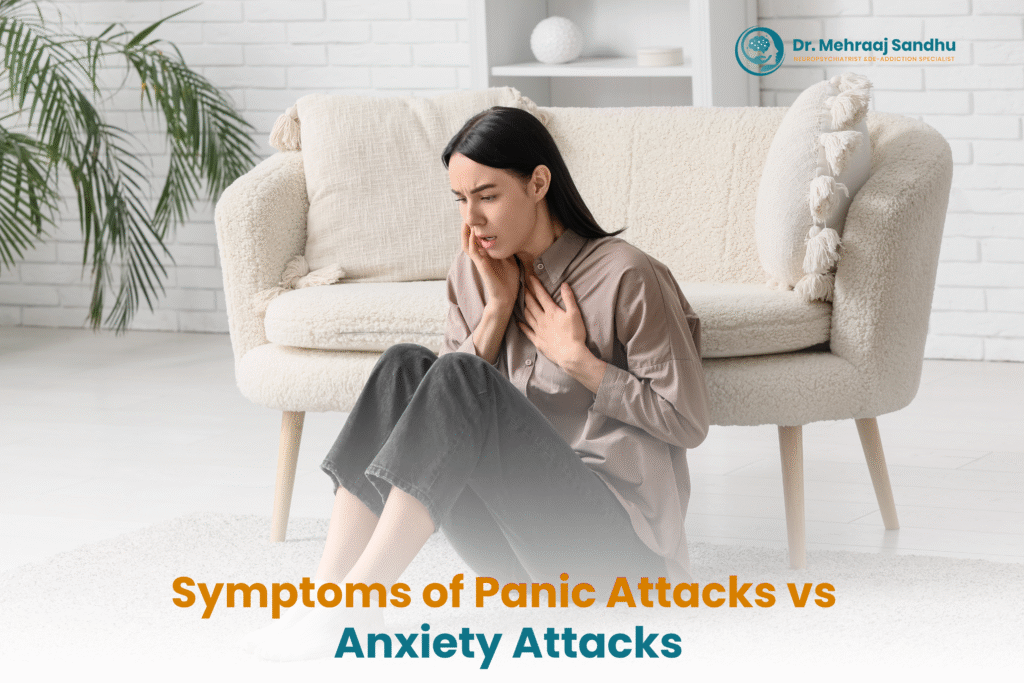
Symptoms of Panic Attack vs Anxiety Attack

Recognizing the symptoms of panic attack vs anxiety attack is essential for proper diagnosis and support.

Common Symptoms of Panic Attacks

Typical symptoms of panic attacks include:

  •  Rapid heart beat
  •  Excessive sweating
  •  Shuddering
  • Chest pain
  • Death anxiety
  • Dizziness

The signs can feel extremely frightening and overwhelming..

Common Anxiety Attack Symptoms

The symptoms of frequent anxiety attacks may include:

  • Chronic anxiety
  • Excitement
  • Sleeping problems
  • Difficulty concentrating
  • Irritability

Without management, the symptoms may get progressively worse.
panic attack vs anxiety attack

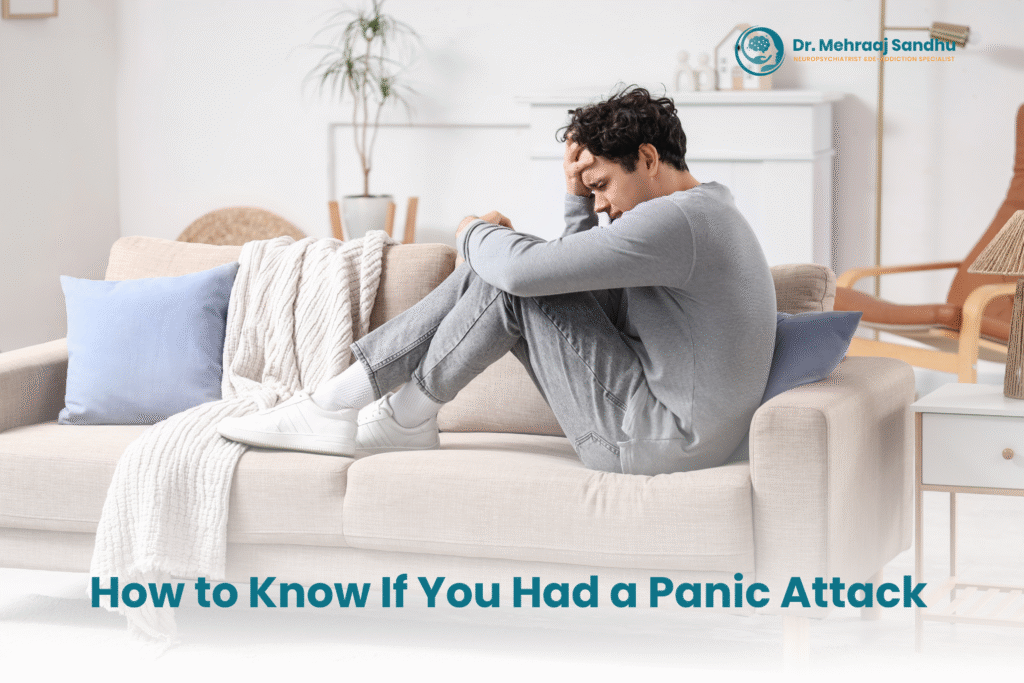
How to Know If You Had a Panic Attack

Many people ask how to know if you had a panic attack because symptoms can resemble medical emergencies.

You may have experienced a panic attack if:

  • Symptoms appeared suddenly
  • Intense fear developed quickly
  • Physical sensations became overwhelming
  • Symptoms peaked within minutes
  • Medical evaluations found no heart-related cause

A mental health evaluation can provide accurate diagnosis and reassurance.

Why Professional Evaluation Matters

Mental health symptoms should never be ignored. Panic attacks and anxiety disorders can interfere with daily functioning and emotional well-being.

A psychiatrist evaluates:

  • Symptom patterns
  • Stress levels
  • Emotional history
  • Sleep quality
  • Physical health conditions

Professional assessment helps rule out medical causes and identify the most effective treatment options.

When to Seek Professional Help

Knowing when to seek professional help is important for preventing symptoms from worsening.

Individuals should consult a mental health specialist if:

  • Attacks become frequent
  • Symptoms interfere with daily life
  • Sleep is consistently disrupted
  • Fear affects relationships or work
  • Avoidance behaviors develop

Early treatment often improves long-term outcomes.

When to Seek Help for Panic Attacks

People should understand when to seek help for panic attacks if symptoms become severe or repetitive.

Immediate support is recommended if panic attacks lead to:

  • Social withdrawal
  • Fear of leaving home
  • Depression
  • Suicidal thoughts
  • Persistent emotional distress

Professional treatment can significantly improve quality of life.

Treatment Options for Panic and Anxiety Disorders

Effective treatment depends on accurate diagnosis and symptom severity.

Psychotherapy

Therapy helps patients:

  • Understand triggers
  • Manage stress
  • Improve coping skills
  • Change negative thought patterns

Cognitive Behavioral Therapy (CBT) is commonly recommended for anxiety-related conditions.

Medication Support

Some individuals benefit from medication prescribed by a qualified psychiatrist.

Medications may help reduce:

  • Excessive anxiety
  • Panic episodes
  • Sleep disturbances
  • Physical tension

Treatment plans should always be supervised by a licensed medical professional.

Lifestyle and Stress Management

Healthy routines can support emotional recovery.

Helpful habits include:

  • Regular exercise
  • Balanced nutrition
  • Meditation
  • Deep breathing exercises
  • Proper sleep hygiene

Long-term mental wellness often requires both professional care and lifestyle improvements.
panic attack vs anxiety attack

The Importance of Mental Health Awareness

Misunderstanding panic and anxiety symptoms may prevent people from seeking help.

Mental health awareness encourages:

  • Early diagnosis
  • Reduced stigma
  • Better emotional support
  • Improved treatment access

Open conversations about emotional well-being can positively impact individuals and families.

Why Choose Dr. Mehraaj Sandhu

Receiving care from an experienced mental health professional can make recovery more manageable.

At Dr. Mehraaj Sandhu Psychiatrist, we deliver compassionate psychiatric care with a focus on emotional healing, evidence-based treatment, and long-term mental wellness.

The clinic focuses on providing individualized care, privacy and a supportive treatment approach that is tailored to each person’s needs.

FAQs About Panic Attack vs Anxiety Attack

Q1. Are panic attacks and anxiety attacks the same?

No. Panic attacks usually occur suddenly and intensely, while anxiety attacks often build gradually due to stress or worry.

Q2. How long does a panic attack last?

Most panic attacks peak within 10–20 minutes, although emotional effects may linger longer.

Q3. Can anxiety cause physical symptoms?

Yes. Anxiety can lead to muscle tension, fatigue, headaches, rapid heartbeat and sleep disturbances.

Q4. Is chest pain common during panic attacks?

Some individuals experience chest discomfort during panic attacks, which can feel similar to heart-related symptoms.

Q5. When should someone seek psychiatric help?

Professional support is recommended when symptoms interfere with daily life, relationships, work or emotional stability.

Q6. Can panic attacks be treated successfully?

Yes. Therapy, lifestyle changes, stress management and medications can effectively reduce symptoms for many individuals.

Conclusion

Understanding the panic attack vs anxiety attack distinction helps individuals recognize symptoms, manage emotional health and seek proper treatment when needed.

While both conditions can feel frightening, effective support and treatment options are available. Recognizing triggers, understanding emotional responses and consulting qualified professionals can greatly improve mental well-being.

With expert guidance from Dr. Mehraaj Sandhu, patients can receive compassionate care tailored to their emotional and psychological needs.

Leave a Comment

Your email address will not be published. Required fields are marked *

Psychotherapies & Emotional Wellness

Our therapy programs are designed to support mental well-being across various life situations.

Integrated CBT + Clinical Consultations: Combining therapy with medical guidance for the best outcomes.

Couples Therapy: Helping partners navigate conflict, improve communication, and strengthen relationships.

Interpersonal Therapy (IPT): Effective for depression, grief, and relationship difficulties.

Anger Management Sessions: Non-pharmacological methods for emotional regulation and self-control.

Stress Management Protocols: Structured sessions teaching relaxation, coping techniques, and resilience-building practices.

IPD Services – Detoxification & Rehabilitation

We provide medically supervised detox and long-term rehabilitation for various substance dependencies:

Alcohol Dependence

Opioid Addiction – including brown sugar, afim, chitta

Cocaine

Crystal Meth (Methamphetamine)

Tobacco Dependence

Cannabis/THC Addiction

Treatment Approach

Psychoeducation: Helping patients and families understand addiction as a medical condition.

Motivational Enhancement Therapy (MET): Encouraging readiness and motivation to change.

Cognitive Behavioral Therapy (CBT): Equipping patients with strategies to avoid relapse and rebuild their lives.

De-Addiction, Detox & Rehabilitation

We run specialized addiction recovery programs through OPD (Outpatient) and IPD (Inpatient) facilities.

OPD Services

Standard & Detailed Neuropsychiatric Workups

Personalized Treatment Protocols tailored to each patient.

Psychogenic Irritable Bowel Syndrome (IBS)

IBS is often linked to stress and psychological factors. We address this through a holistic mind-body approach:

Stress management therapy.

Lifestyle modifications.

Psychotherapy to identify and manage emotional triggers of gastrointestinal distress.

Psychogenic Non-Epileptic Seizures (PNES / Pseudo-Seizures)

PNES are seizure-like episodes that have psychological, not neurological, causes. We provide:

Accurate Diagnosis: Differentiating PNES from epileptic seizures using clinical evaluation and investigations.

Therapeutic Approach: Counseling, psychotherapy, and behavioral therapy.

Pharmacological & Non-Pharmacological Care: Medication when required, alongside psychological interventions.

Dementia & Cognitive Disorders

Cognitive decline can be overwhelming for patients and families. Our services aim at both early intervention and long-term support.

Cognitive Assessments: Neuropsychological testing to evaluate memory, attention, language, and executive function.

Diagnosis & Pharmacotherapy: Early detection with individualized treatment plans to slow progression.

Therapeutic Interventions: Non-drug strategies including cognitive stimulation, memory training, and caregiver counseling.

Attention-Deficit/Hyperactivity Disorder (ADHD)

We specialize in diagnosing and managing ADHD in children, adolescents, and adults.

Diagnostic Assessments: Clinical evaluations supported by standardized tools.

Therapeutic Treatment (TT): Includes behavioral interventions, academic support, and skill-building.

Pharmacological Management: Safe use of medications to enhance focus, reduce impulsivity, and improve quality of life.

Anxiety Spectrum Disorders

Anxiety disorders include generalized anxiety disorder (GAD), panic disorder, phobias, and social anxiety. Our approach integrates both medical and therapeutic care:

Cognitive Behavioral Therapy (CBT): Equips patients with tools to manage irrational fears, panic attacks, and excessive worry.

Pharmacotherapy: Safe and evidence-based use of medications where clinically necessary.

Lifestyle & Stress-Management Interventions: Incorporating relaxation protocols, mindfulness, and coping strategies.

Adjustment Disorders

Adjustment disorders occur when individuals struggle to adapt to major life changes or stressors. Symptoms may include anxiety, low mood, or behavioral difficulties. We provide support and tailored interventions for situations such as:

School Transitions or Relocation – Helping children and adolescents adapt to a new environment.

Bullying & Peer Pressure – Providing resilience-building therapies and supportive counseling.

Relationship Breakups or Life Transitions – Guidance and therapy to process emotions, rebuild self-esteem, and restore balance.

Obsessive-Compulsive Disorder (OCD)

OCD is a condition marked by recurring, intrusive thoughts (obsessions) and repetitive behaviors (compulsions). We offer a full spectrum of care:

Comprehensive Diagnosis & Pharmacotherapy: Careful assessment using standardized scales and medical history, followed by evidence-based medication when necessary.

Cognitive Behavioral Therapy (CBT) for OCD: A structured approach that helps patients challenge and reframe obsessive thought patterns while building coping strategies.

Exposure and Response Prevention (ERP): A proven behavioral technique that gradually exposes individuals to their fears while reducing compulsive responses.

Deep Transcranial Magnetic Stimulation (Deep TMS) for Treatment-Resistant OCD: For patients who do not respond to conventional therapy, we offer cutting-edge neuromodulation technology that directly targets specific brain regions involved in OCD.

Relationship & Stress Disorders

Modern life brings with it a host of emotional and psychological challenges that deeply affect personal well-being. Dr. Sandhu provides dedicated support for individuals dealing with marital conflicts and toxic relationships, as well as the pain of breakups, heartbreaks, and trauma recovery. He also addresses adjustment disorders that arise from major life changes such as a new job, family responsibilities, or relocation. For the youth, concerns like parental pressure, academic stress, and mental health struggles are given special attention. Additionally, Dr. Sandhu works with young professionals facing chronic tiredness, burnout, and restlessness, helping them restore balance and resilience in their daily lives.

Youth & Lifestyle Psychiatry

Punjab’s youth today face a range of unique and often overlooked mental health challenges. Dr. Sandhu is among the few psychiatrists openly addressing these issues with sensitivity and expertise. His work focuses on conditions such as adult ADHD, which is frequently misunderstood or misdiagnosed as laziness, as well as concerns like gym obsession, body dysmorphia, and steroid misuse. He also treats rising problems of pornography and phone addiction, along with the emotional struggles tied to foreign migration stress and intense academic pressure. Through targeted interventions and compassionate care, Dr. Sandhu provides much-needed support to help young people navigate these modern-day challenges.

Mind–Body Connection

Psychiatry is not limited to what happens “in the mind” — it also addresses the profound ways in which stress and psychological factors affect the body. Dr. Sandhu specializes in treating conditions rooted in the mind–body connection, including psychogenic IBS and other gut–brain axis disorders, tension-type headaches and migraines, as well as fibromyalgia and chronic pain syndromes. By combining psychiatric expertise with a holistic understanding of physical symptoms, his approach helps patients achieve relief and long-term well-being.

De-Addiction Psychiatry

North India is facing a hidden epidemic, with rising cases ranging from opioid dependence to behavioral addictions. Under the guidance of Dr. Sandhu, specialized de-addiction programs are designed using evidence-based recovery models to ensure effective outcomes. These programs address a wide spectrum of substance use disorders, including dependence on pregabalin, tramadol, alcohol, and opioids, as well as behavioral addictions such as excessive phone use, pornography, gambling, and gaming. To ensure sustained recovery, a strong emphasis is placed on relapse prevention through long-term support, structured therapy, and family counseling, helping patients and their families rebuild healthier, more balanced lives.

Neuropsychiatry

We provide specialized care for a wide spectrum of neurological and psychiatric conditions, including Dementia, Alzheimer’s disease, and other memory disorders, as well as Parkinson’s disease with associated psychiatric complications. Our expertise also covers epilepsy-related psychiatric conditions and the complex relationship between migraine, neurological pain, and mental health. With an integrated approach, we focus on both the neurological and psychological aspects to ensure comprehensive treatment and support for patients and their families.