


Subtotal $0.00

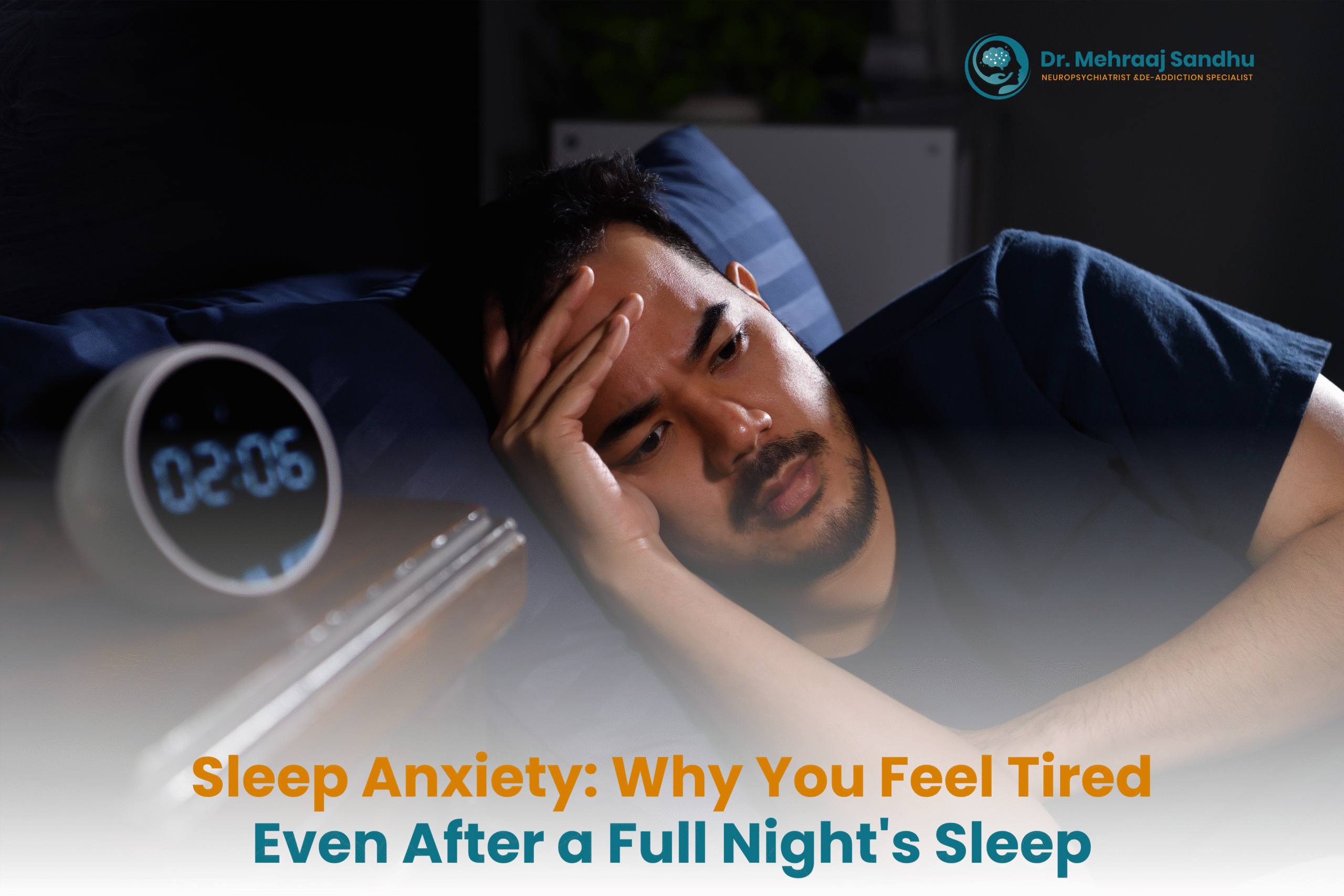
Have you ever gone to bed and slept for seven or eight hours, but still wake up feeling exhausted? If this happens regularly, it could be that the problem isn’t how many hours you’re sleeping, but the quality of your sleep. One common but often overlooked reason is sleep anxiety.
Anxiety can affect how your brain and body relax during the night. Even if you remain in bed for a full night’s sleep, your mind may stay active, preventing you from reaching the deep restorative stages of sleep. As a result, you may wake up feeling tired, unfocused or emotionally drained.
Many people searching why am I tired after sleeping assume they need more rest. However, persistent fatigue after adequate sleep may indicate an underlying mental health concern rather than simple physical tiredness.
Dr Mehraaj Sandhu advises patients to be aware of the link between mental wellbeing and sleep health. Getting on top of sleep problems related to anxiety early can improve emotional health and quality of life overall.
In this article we’ll be looking at what sleep anxiety is, why it can affect sleep quality, symptoms to look out for, what treatment options are available and when it might be time to seek professional help.
What Is Sleep Anxiety?
Sleep anxiety is a condition in which excessive worry, fear or stress interferes with the ability to fall asleep or stay asleep. Some people become anxious before bedtime, while others wake repeatedly during the night because their mind remains active.
Unlike occasional sleeplessness, sleep anxiety often becomes a repeating cycle. Anxiety affects sleep and poor sleep increases anxiety, making the condition progressively worse if left untreated.
What Sleep Anxiety Is and Why It Happens
Understanding what sleep anxiety is can help people recognize why they continue feeling exhausted despite spending enough time in bed.
Common triggers include:
- Ongoing stress
- Work-related pressure
- Financial concerns
- Relationship difficulties
- Health worries
- Major life changes
These thoughts keep the brain alert when it should be preparing for rest, making it difficult to achieve deep, refreshing sleep.
How Sleep Anxiety Affects Your Body
During normal sleep, the body enters different sleep stages that allow physical recovery, memory processing and emotional regulation.
When anxiety interrupts these stages, the body may experience:
- Frequent awakenings
- Restless sleep
- Muscle tension
- Increased heart rate
- Morning fatigue
- Reduced concentration
Even if you sleep for several hours, your brain may not receive the restorative rest it needs.
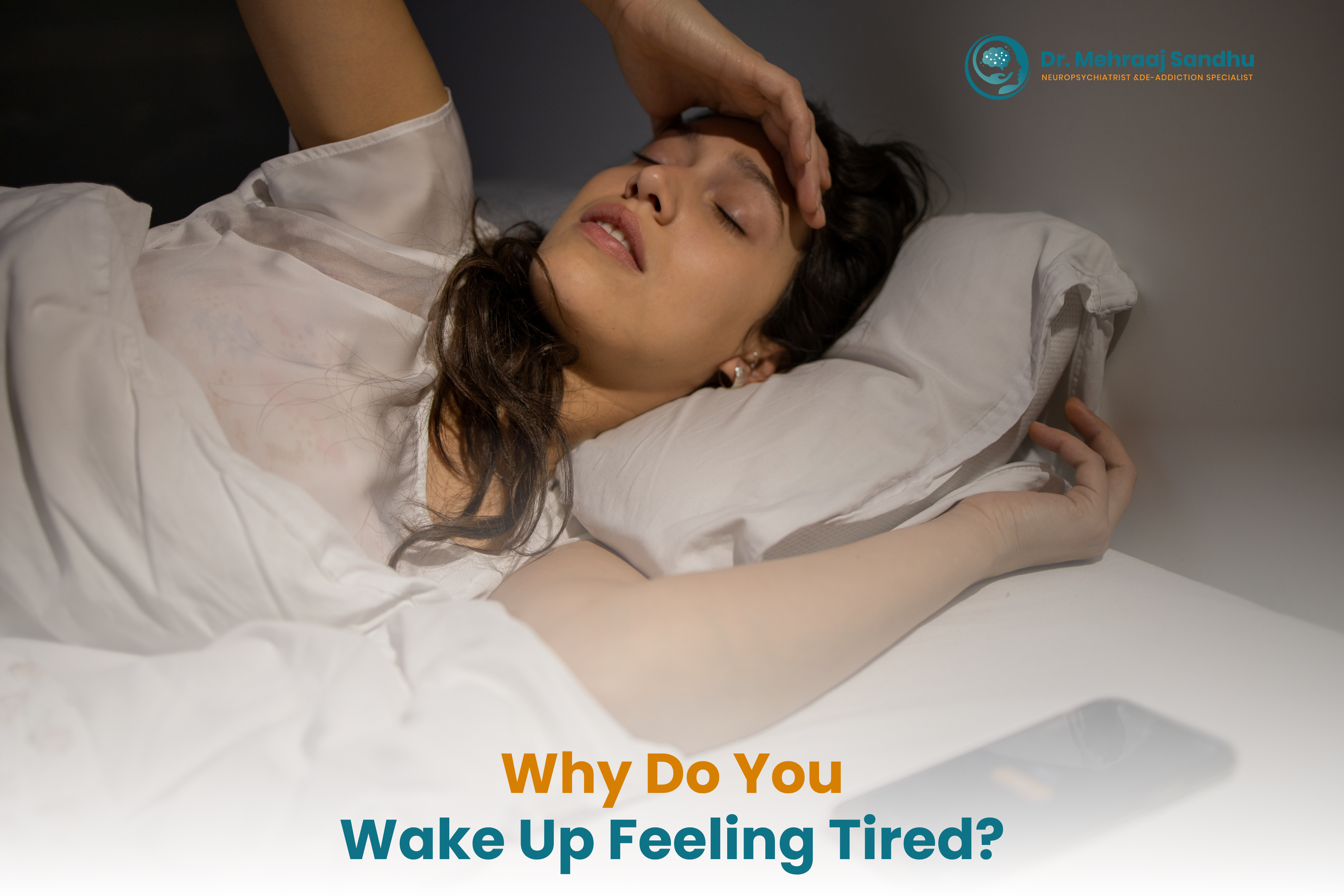
Why Do You Wake Up Feeling Tired?
A lot of people wonder why you wake up feeling tired, even after getting enough sleep. Often, the answer isn’t about how much sleep people get, but how well they sleep. Interrupted sleep prevents the brain from running its important restorative cycles, resulting in a tired you all day.
Anxiety and Sleep Quality
The relationship between anxiety and sleep quality is well established. Anxiety activates the body’s stress response, increasing alertness when relaxation is needed.
This may lead to:
- Difficulty falling asleep
- Light, easily disturbed sleep
- Repeated nighttime awakenings
- Early morning waking
- Feeling unrefreshed after sleep
Improving anxiety often leads to noticeable improvements in sleep quality.
Other Reasons You May Wake Up Feeling Exhausted
Although anxiety is a common cause, other health conditions can also contribute to persistent fatigue after sleep.
These include:
- Sleep apnea
- Depression
- Thyroid disorders
- Iron deficiency
- Poor sleep habits
- Certain medications
If tiredness continues for several weeks, a professional medical evaluation is recommended to identify the underlying cause.
How Anxiety Affects Sleep
The body may be tired, but the brain is still awake. Racing thoughts, overthinking, and emotional tension can interfere with normal sleep patterns and sleep quality. Anxiety and poor sleep often go hand in hand, which is why so many anxious, poor sleepers still feel tired during the day.
The Mind Stays Alert at Night
People with anxiety often find it difficult to “switch off” their thoughts before bedtime.
Common nighttime concerns include:
- Overthinking daily events
- Worrying about the future
- Fear of not getting enough sleep
- Work-related stress
- Personal responsibilities
These thoughts increase brain activity, making restful sleep difficult.
Poor Sleep Can Increase Anxiety
The relationship works both ways.
Insufficient quality sleep reduces emotional resilience and makes it harder to cope with daily stress. Over time, poor sleep may increase anxiety levels, creating a cycle that becomes increasingly difficult to break without proper support.
At Dr. Mehraaj Sandhu’s , patients receive comprehensive mental health assessments to identify the underlying causes of sleep-related concerns. Treatment focuses not only on improving sleep but also on addressing the emotional factors contributing to long-term sleep disturbances.
Symptoms of Sleep Anxiety
Recognizing the sleep anxiety symptoms early can help prevent long-term sleep disturbances and improve overall mental well-being. While occasional restless nights are common, persistent symptoms that affect your daily routine should not be ignored.
People experiencing sleep anxiety often notice changes in both their physical and emotional health.
Common Symptoms to Watch For
The symptoms of sleep anxiety vary from person to person, but some of the most common include:
- Difficulty falling asleep
- Frequent waking during the night
- Racing thoughts at bedtime
- Feeling restless while trying to sleep
- Morning fatigue
- Difficulty concentrating
- Irritability or mood changes
If these symptoms continue for several weeks, they may indicate an underlying anxiety disorder that requires professional attention.
Emotional and Physical Effects
Poor sleep affects much more than energy levels. Over time, sleep anxiety can influence emotional balance, productivity and physical health.
You may experience:
- Reduced focus at work or school
- Low motivation
- Increased stress levels
- Headaches
- Muscle tension
- Lower immunity
Ignoring these symptoms may allow the cycle of anxiety and poor sleep to become more difficult to manage.
Lifestyle Changes That Can Improve Sleep
Healthy daily habits play a major role in improving sleep quality. While lifestyle changes may not completely eliminate anxiety, they often reduce its impact and support better rest.
Simple adjustments made consistently can help restore a healthier sleep routine.
Build a Healthy Sleep Routine
A consistent bedtime routine signals your brain that it is time to relax.
Helpful sleep habits include:
- Go to bed and wake up at the same time every day.
- Keep your bedroom quiet, cool and comfortable.
- Avoid using mobile phones or laptops before bedtime.
- Limit caffeine in the evening.
- Eat a light dinner.
- Practice relaxation techniques before sleeping.
These habits encourage deeper and more refreshing sleep.
Manage Stress During the Day
Reducing stress throughout the day often leads to better sleep at night.
Simple stress-management techniques include:
- Regular physical activity
- Deep breathing exercises
- Meditation or mindfulness
- Journaling your thoughts
- Spending time outdoors
- Maintaining a healthy work-life balance
Even small daily changes can improve emotional well-being and sleep quality.

Treatment Options and Lifestyle Changes
The right treatment for sleep anxiety depends on the severity of symptoms and their underlying cause. Some people improve with lifestyle modifications, while others may benefit from professional mental health support.
Early treatment often prevents symptoms from becoming chronic.
Psychological Therapies
Therapy helps people understand and manage the thoughts that interfere with healthy sleep.
Common approaches include:
- Cognitive Behavioural Therapy (CBT)
- Relaxation therapy
- Mindfulness-based therapy
- Stress management counselling
These therapies teach practical techniques to reduce anxiety and improve sleep patterns.
Medication and Professional Care
In some cases, medication may be recommended alongside therapy. However, medicines should always be taken under the supervision of a qualified mental health professional.
At Dr. Mehraaj Sandhu’s , treatment plans are personalized according to each patient’s symptoms, medical history and lifestyle. The goal is to improve both mental well-being and sleep quality through evidence-based care.
When to Seek Professional Help
Occasional poor sleep is normal, especially during stressful periods. However, persistent sleep problems should never be ignored.
Professional support can help identify whether anxiety, depression or another medical condition is affecting your sleep.
Signs You Should Consult a Mental Health Professional
Consider seeking help if you:
- Feel tired almost every morning
- Have difficulty sleeping for several weeks
- Experience excessive worry before bedtime
- Notice changes in mood or concentration
- Feel anxious throughout the day
- Depend on sleeping pills regularly
Early intervention improves recovery and helps prevent long-term complications.
How Dr. Mehraaj Sandhu Can Help
Dr. Mehraaj Sandhu’s patients receive compassionate and confidential mental health care that is personalised to meet their needs.
Treatment focuses on:
- Identifying the root cause of sleep problems
- Managing anxiety effectively
- Improving emotional well-being
- Restoring healthy sleep patterns
- Supporting long-term mental wellness
With timely diagnosis and the right treatment plan, most people can significantly improve both their sleep quality and overall quality of life.
Frequently Asked Questions (FAQs)
Q1. What is sleep anxiety?
Sleep anxiety is a condition where excessive worry or stress makes it difficult to fall asleep or stay asleep, resulting in poor-quality sleep and daytime fatigue.
Q2. Why am I tired after sleeping for 8 hours?
Feeling tired after a full night’s sleep may be due to anxiety, poor sleep quality, sleep disorders or other underlying medical conditions. A professional evaluation can help identify the exact cause.
Q3. Can anxiety affect sleep quality?
Yes. Anxiety can keep the mind active at night, causing frequent awakenings, restless sleep and difficulty reaching deep sleep stages.
Q4. What are the common symptoms of sleep anxiety?
Common symptoms include difficulty falling asleep, frequent waking during the night, racing thoughts, morning fatigue, poor concentration and irritability.
Q5. How can I improve my sleep naturally?
Maintaining a regular sleep schedule, limiting screen time before bed, exercising regularly, reducing caffeine intake and practicing relaxation techniques can help improve sleep quality.
Q6. When should I seek professional help for sleep anxiety?
If sleep problems continue for several weeks, interfere with your daily life or are accompanied by persistent anxiety, consult a qualified mental health professional.
Q7. Why should I consult Dr. Mehraaj Sandhu?
Dr. Mehraaj Sandhu provides personalized mental health care, helping patients identify the root cause of sleep problems and offering evidence-based treatment for long-term recovery.
Conclusion
Getting good sleep isn’t always the same as getting enough sleep. If you constantly wake up tired after sleeping seven to eight hours, sleep anxiety may be affecting your physical and mental health.
Anxiety can disrupt the body’s natural sleep cycle, preventing deep, restorative rest. Over time, this may lead to fatigue, poor concentration, mood changes and reduced productivity. Recognizing the symptoms early and making healthy lifestyle changes can significantly improve sleep quality and overall health.
If your sleep problems continue despite following good sleep habits, seeking professional support is the next important step. Early diagnosis not only helps improve sleep but also addresses the underlying anxiety that may be affecting your daily life.
At Dr. Mehraaj Sandhu’s, every patient is provided with compassionate, confidential, evidence-based mental health care. The personalised assessment, therapy and practical coping strategies are designed to help individuals sleep better, improve emotional well-being and enjoy a healthier quality of life.
And don’t forget, good sleep is good for your body and mind. A stitch in time saves nine, and a little action today could help you enjoy more healthier, more refreshing mornings tomorrow.
Medical Disclaimer
Disclaimer: This article is for educational purposes only and should not replace professional medical advice, diagnosis or treatment. If you experience persistent sleep problems or anxiety, consult Dr. Mehraaj Sandhu or another qualified mental health professional.
